Why Wall Thickness Matters in CNC Machining
Wall thickness is one of the first features a machinist checks when reviewing a drawing. It affects rigidity, heat dissipation, chatter risk, tool access, and ultimately the unit price of your precision CNC parts. Whether you are designing a bracket for a motorcycle, a housing for an industrial sensor, or a custom fixture, getting wall thickness right at the CAD stage saves time and money long before chips start flying.
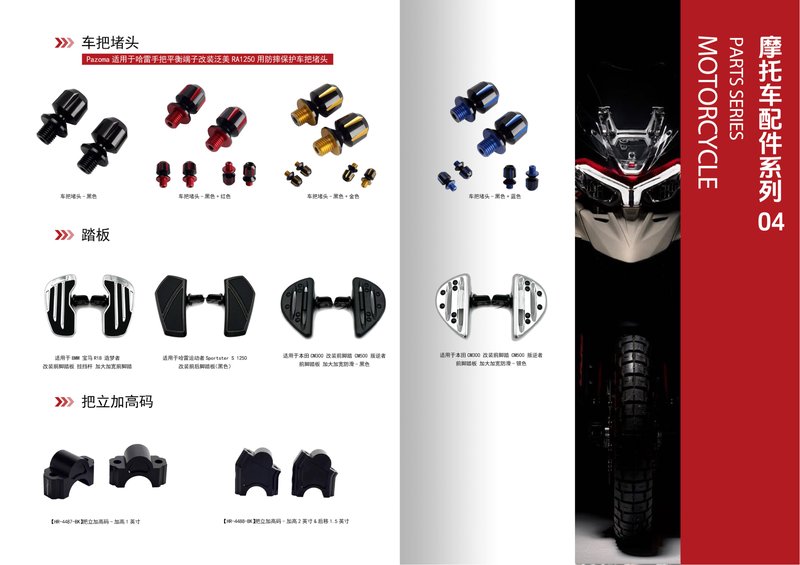
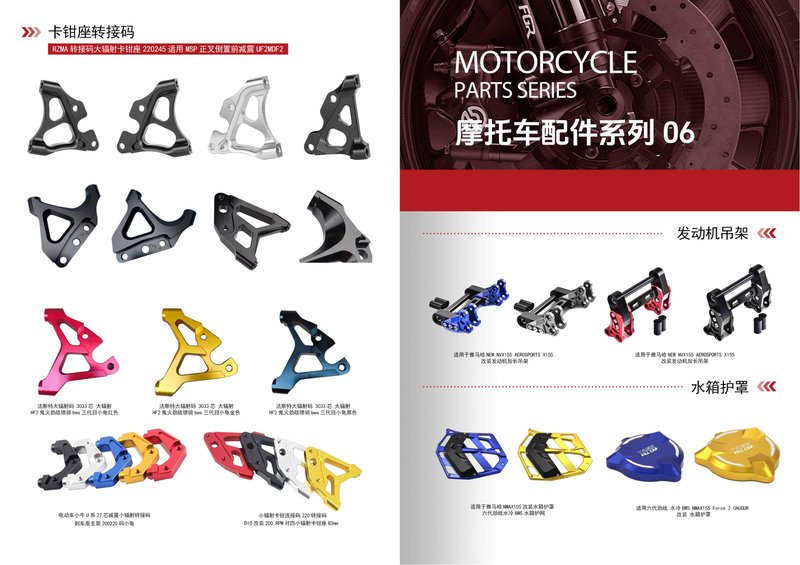
At Fuxingwang Hardware Products Co., Ltd. (Jiangmen Fuxingwang Hardware), we have machined thousands of parts since 2012 in our 2,000 sqm factory with more than 100 CNC machines. The following tips reflect what we see every day from both new and experienced buyers.
Recommended Minimum Wall Thickness by Material
There is no single universal number, but the following starting points work well for most CNC machining projects. They assume a part that must hold tolerances and survive normal handling.
Aluminum Alloys (6061, 7075, 2024)
For small parts under 50 mm, keep walls at 0.8 mm or thicker. For larger parts, 1.5 mm is a safer minimum. Aluminum is soft, so very thin walls deflect easily during clamping and cutting. If your design needs a 0.5 mm wall in aluminum, expect to add supports, reduce feed rates, and possibly accept a higher scrap rate.
Stainless Steel (303, 304, 316, 17-4PH)
Stainless steel is stronger but work-hardens quickly. A minimum of 1.0 mm for small parts and 2.0 mm for larger parts is practical. Below 1.0 mm, tool pressure can bend the wall and cause vibration that ruins surface finish.
Brass and Copper
These materials machine easily, but thin walls still deform. Use 0.8 mm as a practical minimum for small brass fittings and electrical contacts.
Titanium and High-Strength Alloys
Titanium is used in motorcycle parts and aerospace components, but it is expensive and gummy. Keep walls at 1.5 mm or more unless you have a specific reason to go thinner. The cost of a failed titanium part is much higher than the cost of a slightly thicker wall.
Design Tips That Reduce Cost and Improve Quality
1. Keep Wall Thickness Uniform
Abrupt changes in wall thickness cause uneven cooling, warping, and internal stress. If a part must transition from a thick boss to a thin wall, add a gradual taper or fillet instead of a sharp step. This is especially important for motorcycle parts manufacturer projects where vibration and fatigue matter.
2. Avoid Deep, Narrow Pockets
A pocket deeper than four times its width is difficult to machine. The tool must be long and slender, which increases deflection and chatter. If you need a deep pocket, widen it, add a draft angle, or split the part into two pieces that bolt together.
3. Design for Standard Tool Sizes
Most CNC shops stock end mills in 1 mm, 2 mm, 3 mm, 4 mm, 6 mm, 8 mm, 10 mm, and 12 mm diameters. If your internal corner radius matches a standard tool, the machinist can cut it in one pass. If you specify a 2.5 mm radius, the shop may need a special tool or a slower, more expensive operation.
4. Add Fillets, Not Sharp Corners
Sharp internal corners concentrate stress and require tiny tools. A fillet of 1 mm or larger improves strength and machinability. For external corners, a small chamfer or radius also prevents burrs and makes the part safer to handle.
5. Think About Workholding
Every part needs to be held while it is cut. Very thin, tall walls can vibrate or collapse under clamping pressure. If your design has a thin section, consider adding a temporary tab or boss that the machinist can remove later. This is a common practice for custom CNC machining China projects where both cost and quality are critical.
6. Specify Tolerances Only Where Needed
Tight tolerances on every dimension increase cost. Mark only the critical features—bearing bores, mating surfaces, shaft diameters—with tight tolerances. Leave cosmetic surfaces and non-critical edges at general tolerances. This reduces inspection time and the risk of rejected parts.
How Wall Thickness Affects Machining Time and Price
Thin walls require lighter cuts, slower feed rates, and more frequent tool changes. They also increase the chance of scrap. A part with a 1.5 mm wall might machine in 20 minutes, while the same part with a 0.8 mm wall could take 40 minutes and require two extra setups. For high-volume production, those minutes add up quickly.
In our factory, we often recommend a small design change—thickening a wall from 1.0 mm to 1.5 mm, or adding a fillet—that reduces cost by 15–30% without affecting function. Buyers who are open to these suggestions get better parts at lower prices.
When Thin Walls Are Unavoidable
Sometimes a product genuinely needs a thin wall, such as a lightweight motorcycle cover or a heat sink. In those cases, we use specialized fixtures, softer clamping, and sometimes electrical discharge machining (EDM) or wire EDM for the most delicate features. We also run a first-article inspection to confirm the wall thickness and straightness before full production.
Work With a Manufacturer Who Understands Design
Fuxingwang Hardware Products Co., Ltd. has been producing precision CNC parts and motorcycle components since 2012. Our 2,000 sqm facility and 100+ CNC machines let us handle everything from prototypes to production runs. We review every drawing for wall thickness, tool access, and tolerance stack-up before quoting, so you get honest feedback and a realistic price.
If you are working on a new design or need a second opinion on an existing one, send us your 2D drawings or 3D files. We will review the wall thickness, suggest improvements, and provide a free quote with no obligation. Contact Jiangmen Fuxingwang Hardware today and let our engineers help you turn your design into a reliable, cost-effective part.