Why a Quality System Review Matters Before You Order Precision CNC Parts
Choosing a supplier for precision CNC parts is not just about price per unit or machine count. The real risk in CNC machining is variation: a batch that passes inspection in the sample stage but drifts out of tolerance at volume. That is why experienced buyers review the quality system, not just the quotation. This guide gives you a practical framework you can use during a factory visit or a remote audit, whether you are sourcing motorcycle parts or industrial components.
Step 1: Start With Certification and Documentation
Ask for the quality manual and certificates before you tour the floor. A factory serious about CNC machining will have documented procedures, not verbal promises.
What to request
- ISO 9001 certificate with a valid scope and expiry date
- Control plans and inspection standards for each part number
- Material certificates traceable to the mill
- Calibration records for all measuring instruments
Cross-check the certificate scope against what you are buying. An ISO 9001 certificate does not automatically cover every process, so confirm that turning, milling, drilling and finishing are inside the audited scope.
Step 2: Inspect Incoming Material Control
Quality problems in precision CNC parts often begin before the first cut. Ask how incoming raw material is verified and segregated.
Questions that reveal the truth
- Do you verify chemical composition and hardness, or only dimensions?
- How do you prevent mixed material batches on the shop floor?
- Can you trace a finished part back to a specific heat number?
A reliable motorcycle parts manufacturer will keep material traceability from receipt to shipment. If the answer is vague, treat it as a warning sign.
Step 3: Evaluate In-Process and Final Inspection
This is the core of any quality system. Walk the floor and look for evidence, not signage.
In-process controls
- First article inspection (FAI) reports signed before production runs
- Operator self-checks with calibrated gauges at defined intervals
- SPC charts or at least recorded dimensional data on critical features
- Clear identification of critical-to-quality (CTQ) dimensions on drawings
Final inspection and equipment
- CMM, optical comparators, roughness testers and hardness testers on site
- Sampling plans based on AQL or 100% inspection for safety-critical parts
- Inspection reports shipped with the goods, not produced on request
Ask to see a recent inspection report for a part similar to yours. A factory that performs custom CNC machining China buyers trust will share this without hesitation.
Step 4: Check Non-Conformance and Corrective Action
Every factory produces a non-conforming part eventually. What separates good suppliers is how they handle it.
- Is there a documented NCR (non-conformance report) process?
- Are root cause analyses (5 Why, fishbone) recorded?
- Are corrective actions verified for effectiveness?
- Is there a quarantine area for rejected parts?
Request a sample NCR and CAPA record. If the factory cannot show one, their quality system is likely reactive rather than preventive.
Step 5: Review Equipment Maintenance and Calibration
Machine condition directly affects the dimensional stability of precision CNC parts. Look for:
- A preventive maintenance schedule with completed logs
- Daily checks on spindles, tool holders and coolant systems
- Calibration stickers with dates on every gauge and instrument
- Tool life management, especially for high-volume turning
For a motorcycle parts manufacturer producing safety-relevant components, tool wear management is not optional. It is the difference between a batch that fits and a batch that fails assembly.
Step 6: Assess Traceability, Packaging and Shipping
The quality system extends beyond the machine shop.
- Can you trace a shipped lot back to material, machine, operator and inspection record?
- Are parts cleaned, deburred and protected against corrosion?
- Is packaging designed to prevent damage in transit?
- Are labels and quantities verified before dispatch?
Traceability is especially important for buyers who need to audit a supplier years later or support warranty claims.
Step 7: Look at the People and Culture
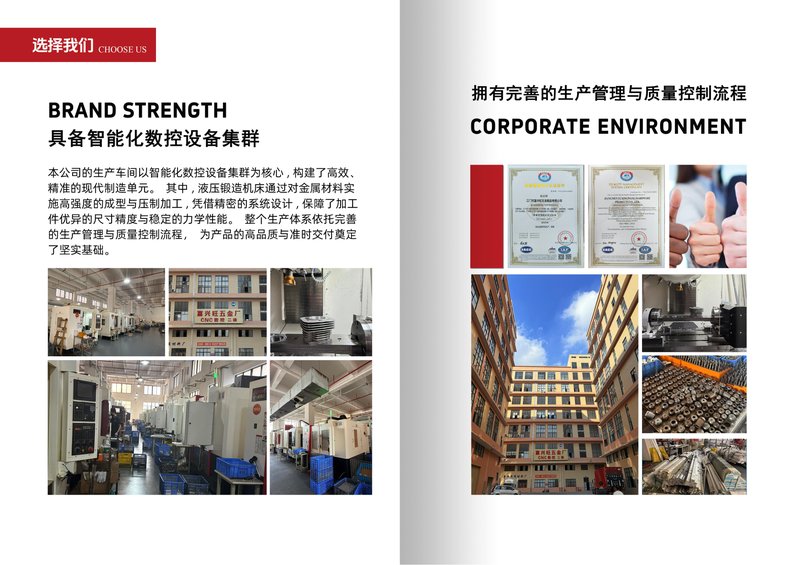
Systems fail when people are not trained to follow them. Ask about operator training records, quality responsibility and how feedback from the shop floor reaches management. A factory with 100+ CNC machines and a 2,000 sqm facility, like Fuxingwang Hardware Products Co., Ltd. in Jiangmen, still depends on trained inspectors and disciplined operators to make the system work.
Red Flags to Watch For
- No calibration records or expired stickers on gauges
- Inspection only at final stage, with no in-process checks
- Verbal quality claims with no documented procedures
- Unwillingness to share inspection reports or NCRs
- Mixed materials or untagged bins on the floor
Send Your Drawings for a Free Quote
If you are sourcing precision CNC parts, motorcycle parts or custom components and want a supplier with a documented, auditable quality system, Fuxingwang Hardware Products Co., Ltd. (Jiangmen Fuxingwang Hardware) is ready to help. Founded in 2012, we operate a 2,000 sqm factory with 100+ CNC machines and serve buyers worldwide with custom CNC machining China programs. Send us your drawings and specifications today for a free quotation and a transparent review of how we control quality from material to shipment.