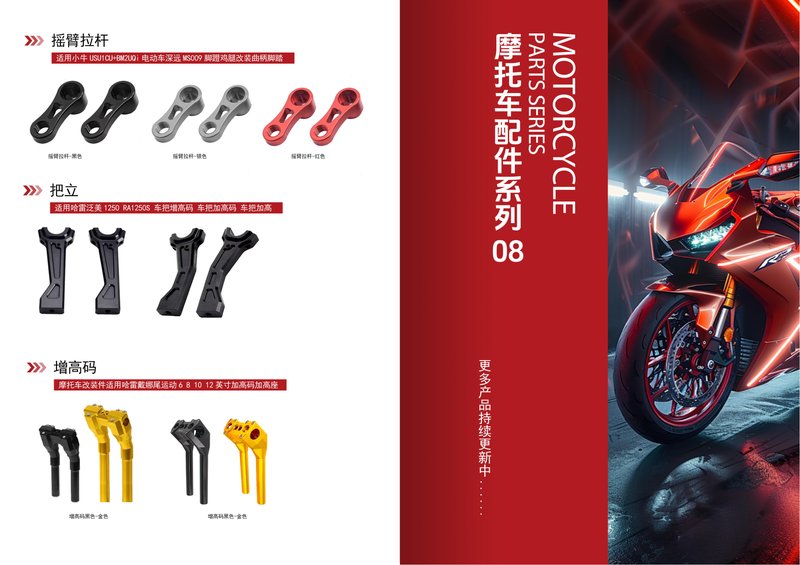
Why Matching Injection Molds with CNC Parts Matters
In modern manufacturing, injection molding and CNC machining often go hand in hand. Injection molds themselves are made using precision CNC processes, and many molded products require CNC-machined inserts, cores, or secondary components. For industries like automotive and motorcycle manufacturing, where tolerances are tight and performance is critical, matching injection molds with CNC parts correctly can mean the difference between a flawless production run and costly rework.
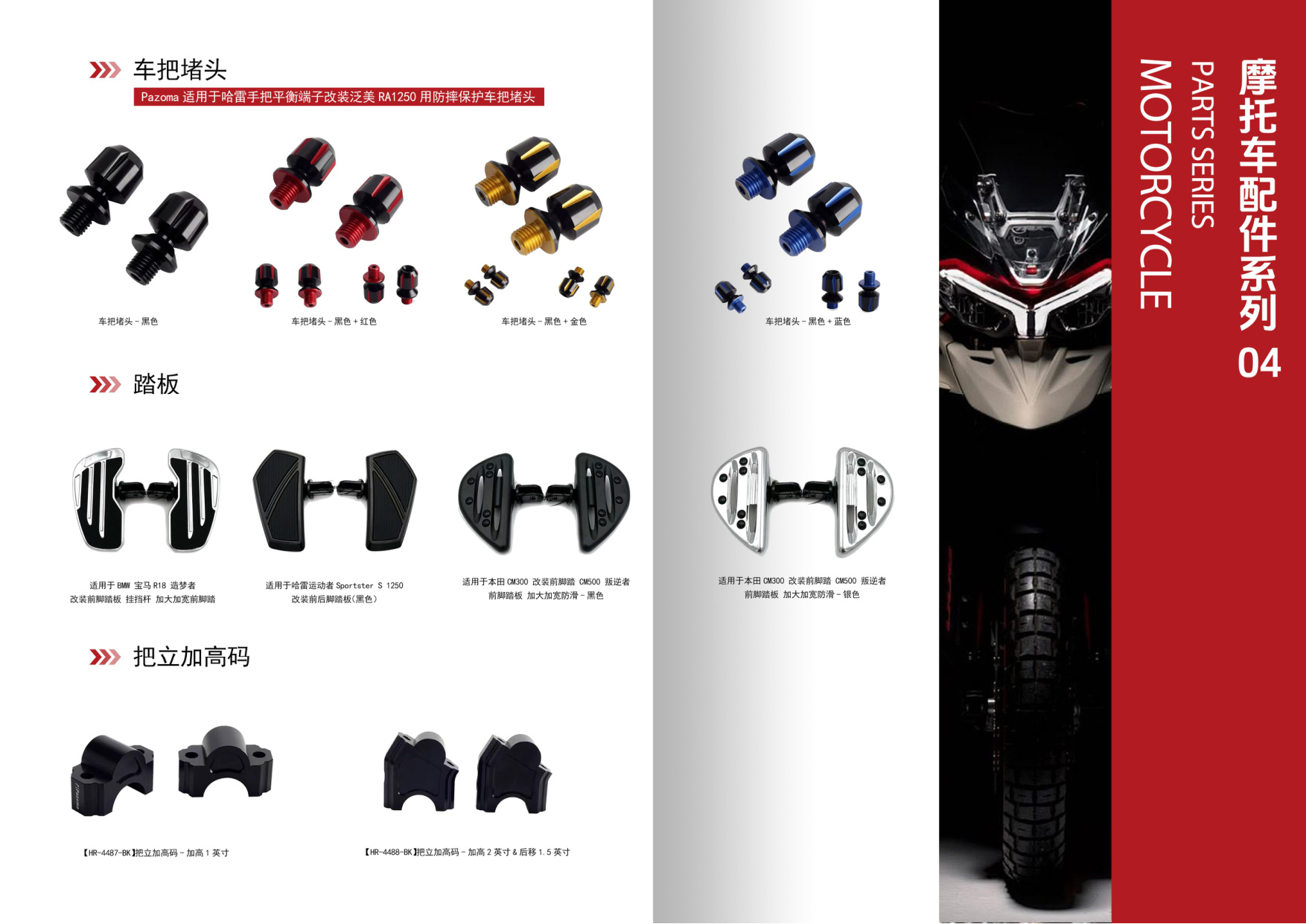
At Fuxingwang Hardware Products Co., Ltd. (Jiangmen Fuxingwang Hardware), we've been producing precision CNC parts and motorcycle parts since 2012. With a 2,000-square-meter factory and over 100 CNC machines, we've learned that successful mold-CNC integration comes down to careful planning, material selection, and communication. This guide shares practical insights for buyers and engineers.
Understanding the Role of CNC in Injection Molding
Injection molds are not simply cast or assembled—they are machined. Cavities, cores, runners, and cooling channels are typically produced through CNC machining, EDM, and precision grinding. When a molded part also needs CNC-finished features—such as threaded inserts, sealing surfaces, or mounting bosses—the mold design must account for those operations from the start.
Key CNC-Molded Interfaces
- Insert molding: CNC-machined metal inserts are placed in the mold before plastic injection, creating strong mechanical bonds.
- Overmolding: A CNC part is used as a substrate, and plastic is molded over it for grip or insulation.
- Post-molding CNC: After molding, critical dimensions are finished with CNC to meet tight tolerances.
Each interface demands that the mold and the CNC part share consistent datums, tolerances, and material properties.
Practical Steps to Match Molds and CNC Parts
1. Define Tolerances Early
Injection molding typically holds tolerances of ±0.1 mm to ±0.5 mm, while precision CNC parts can achieve ±0.01 mm or better. If a molded feature must align with a CNC component, specify which tolerances are critical and which can be relaxed. Over-tolerancing the mold increases cost without benefit.
2. Choose Compatible Materials
Thermal expansion differs between plastics and metals. A CNC-machined aluminum insert in a nylon mold may shift during cooling. For motorcycle parts exposed to heat and vibration, we often recommend brass or stainless steel inserts paired with glass-filled nylon or PBT. Your custom CNC machining China partner can advise on material pairs based on real-world testing.
3. Design for Moldability and Machinability
A feature that is easy to CNC machine may be difficult to mold, and vice versa. For example, deep ribs that strengthen a CNC part can cause short shots in injection molding. Work with both your mold designer and CNC programmer to optimize draft angles, wall thickness, and corner radii.
4. Use Consistent Datum References
Both the mold and the CNC fixture should reference the same datum surfaces. This ensures that when the molded part and CNC part come together, holes align and surfaces mate. In our experience, mismatched datums are the number one cause of assembly failures.
5. Plan for Shrinkage and Machining Allowance
Plastic shrinks as it cools—often 0.5% to 2%. If a molded surface will be CNC-finished later, add machining allowance so the final dimension is correct. Conversely, if a CNC insert will be molded over, account for plastic shrinkage around the insert.
6. Prototype and Validate
Before committing to production tooling, produce a prototype mold or CNC-machined test part. At Fuxingwang Hardware, we often run small batches of precision CNC parts to validate fit with existing molds. This catches interference issues early and saves weeks of delay.
Common Pitfalls to Avoid
- Ignoring thermal expansion: Leads to cracked inserts or loose fits.
- Overlooking draft on CNC inserts: Makes insertion into the mold difficult.
- Using different CAD versions: Causes misalignment between mold and CNC models.
- Skipping first-article inspection: Risks full production of non-conforming parts.
These issues are especially critical for motorcycle parts manufacturer projects, where safety and durability are non-negotiable.
Why Choose Fuxingwang Hardware for Mold and CNC Integration?
Since 2012, Fuxingwang Hardware Products Co., Ltd. has supported OEMs with integrated mold and CNC solutions. Our 2,000-square-meter facility houses more than 100 CNC machines, allowing us to produce mold inserts, cores, and precision CNC parts under one roof. We specialize in motorcycle parts such as brake components, engine brackets, and custom fasteners, and we offer custom CNC machining China services for global buyers.
Our engineers review your drawings, suggest material and tolerance adjustments, and deliver first articles for approval. Whether you need a few prototype molds or full production tooling, we focus on matching every CNC part to its mold for a seamless fit.
Send Us Your Drawings for a Free Quote
Ready to streamline your injection mold and CNC part production? Email your 2D/3D drawings, material specifications, and tolerance requirements to Fuxingwang Hardware. Our team will review your project and provide a free, no-obligation quote within 24–48 hours. Let us show you why manufacturers worldwide trust us for CNC machining, precision CNC parts, and reliable motorcycle parts manufacturing.
Contact us today—your drawings are the only thing we need to get started.