How to Choose a CNC Machining Supplier: A Practical Guide for Global Buyers
Selecting the right partner for CNC machining is one of the most consequential decisions for any OEM, product engineer, or procurement manager. A capable supplier delivers precision CNC parts on time, at a fair price, and with consistent quality. A poor one causes delays, rework, and costly downtime. This guide walks through the key criteria for evaluating a supplier, with practical questions and red flags to watch for.
1. Assess Machining Capabilities and Equipment
The first step is understanding what a supplier can actually produce. Ask for a full equipment list, including the number and type of CNC machines. A workshop with 3-axis mills only will struggle with complex geometries, while a facility with 4-axis and 5-axis machining centers can handle intricate features in fewer setups.
Key questions to ask:
- How many CNC machines are in operation, and what is the maximum part size?
- Do you offer turning, milling, drilling, and EDM services?
- What tolerances can you reliably hold? (Look for ±0.01 mm or tighter for precision work.)
- Can you handle both prototypes and low-to-medium volume production?
A supplier with a broad machine park and a dedicated quality control department is better positioned to deliver precision CNC parts that meet tight specifications.
2. Verify Quality Management Systems
Quality is not a promise; it is a process. Ask whether the supplier is ISO 9001 certified or follows an equivalent quality management system. Request sample inspection reports and understand their approach to in-process inspection and final verification.
Look for:
- Calibrated measuring instruments (CMM, optical comparators, micrometers).
- Documented first article inspection (FAI) reports.
- Material certificates and traceability for metals and plastics.
- A clear non-conformance and corrective action process.
If a supplier cannot provide basic quality documentation, that is a serious red flag. Reliable custom CNC machining China partners will welcome an audit or a video walkthrough of their QC lab.
3. Evaluate Material and Finishing Options
Different projects require different materials. A good supplier stocks or can source a wide range of metals (aluminum, steel, stainless steel, brass, titanium) and engineering plastics (POM, PEEK, ABS, nylon). They should also offer surface finishes such as anodizing, powder coating, zinc plating, and heat treatment, either in-house or through trusted partners.
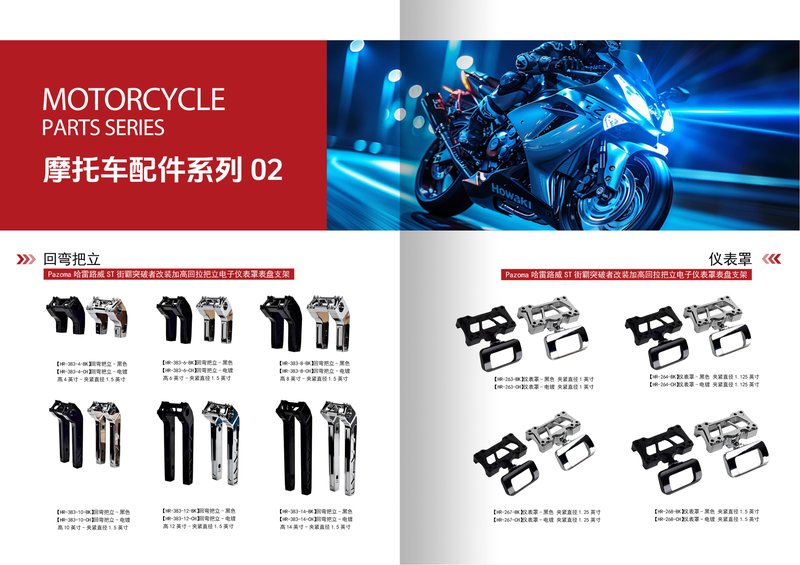
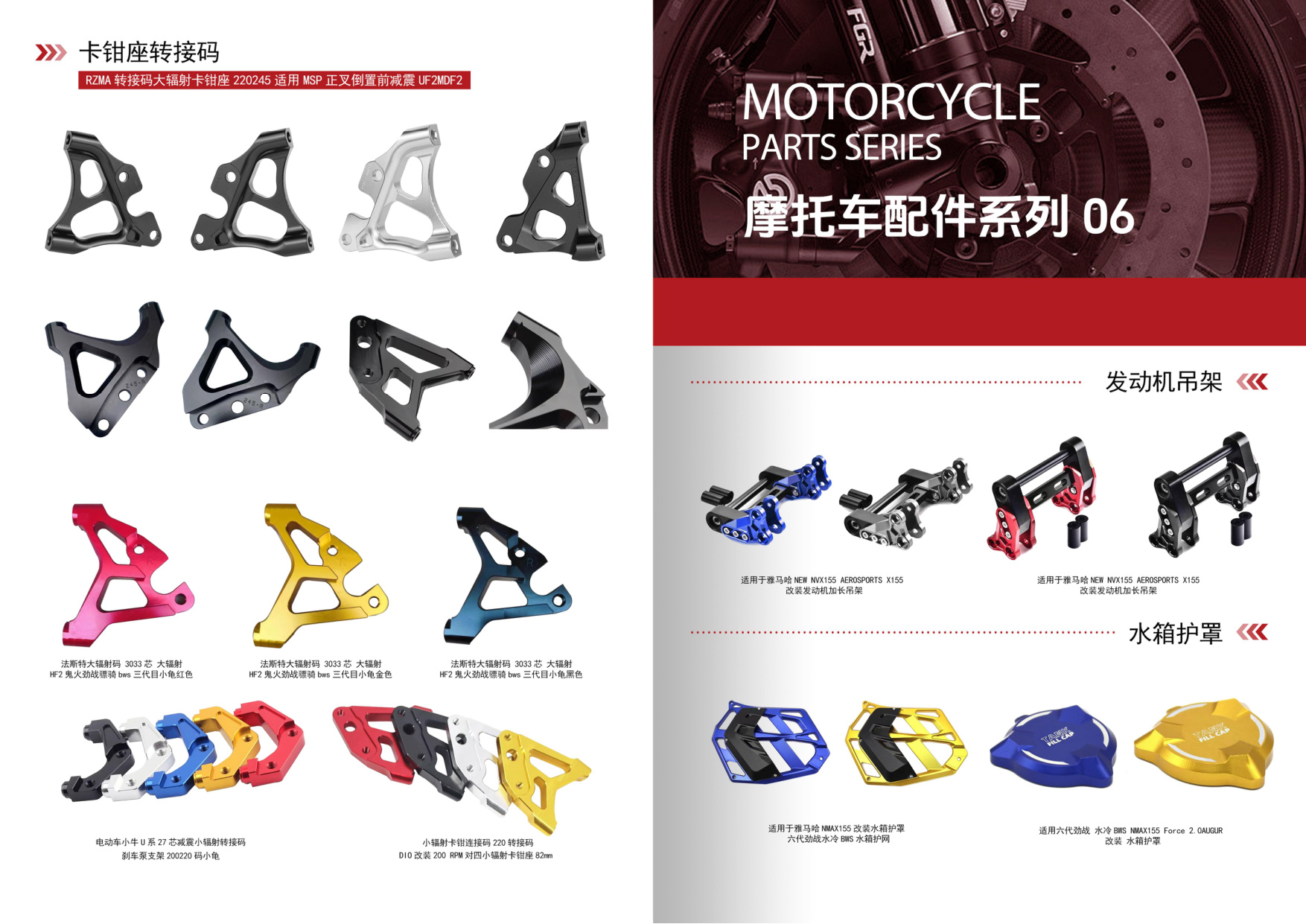
For those sourcing motorcycle parts manufacturer services, material choice is especially critical. Components like brake calipers, engine mounts, and suspension linkages must withstand vibration, heat, and corrosion. Ask how the supplier selects alloys and finishes for these demanding applications.
4. Check Engineering Support and Communication
Even the best CNC machine cannot compensate for a poorly optimized design. A strong supplier employs engineers who review drawings, suggest DFM (design for manufacturability) improvements, and flag potential issues before production begins.
Communication is equally important. Test responsiveness during the quoting stage: How quickly do they reply? Do they ask clarifying questions? Do they provide detailed quotes with lead times, material costs, and tolerances? A supplier who communicates clearly before the order will likely communicate well during production.
5. Consider Lead Times, Capacity, and Scalability
Lead time is a function of capacity and planning. Ask about current machine utilization and typical turnaround for prototypes versus production runs. A factory with 100+ CNC machines, like Fuxingwang Hardware Products Co., Ltd. (Jiangmen Fuxingwang Hardware), can often absorb urgent orders without disrupting existing schedules.
Also discuss scalability. If your product succeeds, can the supplier ramp up from 500 to 50,000 units? A partner with a 2,000-square-meter factory and a large machine park is more likely to scale with you than a small job shop.
6. Compare Pricing—but Not at the Expense of Quality
Price matters, but the cheapest quote often hides costs in rework, delays, or inconsistent quality. Request itemized quotes that break down material, machining, finishing, and shipping. Compare not just the total but also the assumptions behind it.
Be wary of quotes that are significantly lower than others without explanation. They may indicate inferior materials, skipped inspections, or unrealistic lead times.
7. Look for Industry Experience
Experience in your sector reduces risk. A supplier that has worked with automotive, motorcycle, aerospace, or medical clients understands the regulatory and quality expectations of those industries. For motorcycle components, for example, a motorcycle parts manufacturer with a track record in the powersports industry will know the common failure points and design constraints.
Ask for references or case studies. A supplier with long-term clients is a supplier you can trust.
8. Request a Sample or Trial Order
Before committing to a large production run, place a small trial order. This tests not only machining quality but also communication, packaging, and delivery. Inspect the parts carefully and compare them to your drawings. A successful trial is the best predictor of a successful partnership.
Final Thoughts
Choosing a CNC machining supplier is about more than comparing prices. It is about finding a partner with the equipment, quality systems, engineering support, and communication skills to bring your product to life reliably. Whether you need precision CNC parts for a new design or a long-term motorcycle parts manufacturer for series production, a disciplined evaluation process will save you time and money.
Ready to get started? Fuxingwang Hardware Products Co., Ltd. (Jiangmen Fuxingwang Hardware) has been delivering custom CNC machining China solutions since 2012. With a 2,000-square-meter factory and over 100 CNC machines, we specialize in precision components and motorcycle parts. Send us your drawings today for a free quote and DFM feedback—let’s turn your design into a finished part.