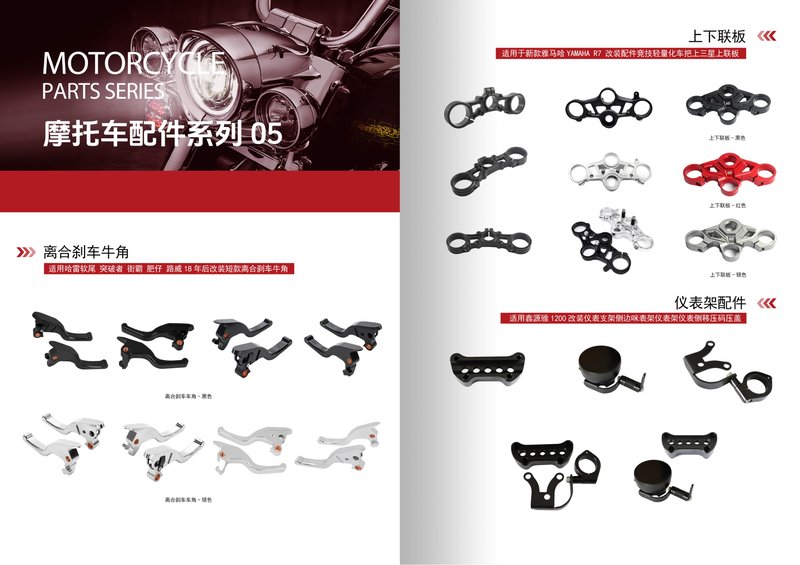
Selecting the right CNC machining supplier is one of the most important decisions you will make when developing a new product or scaling production. A good partner delivers consistent precision CNC parts on time; a poor one causes delays, rework, and costly quality escapes. Whether you are sourcing motorcycle parts manufacturer services or looking for custom CNC machining China partners, the evaluation process is similar. Below are seven practical steps to help you choose wisely.
1. Verify Machining Capability and Equipment
Start by confirming the supplier’s equipment list and capacity. Ask how many CNC machines they operate, what types (3-axis, 4-axis, 5-axis, turning centers, mill-turn), and their maximum part size and tolerance. A factory with 100+ CNC machines, such as Fuxingwang Hardware Products Co., Ltd. (Jiangmen Fuxingwang Hardware), can handle both low-volume prototypes and higher-volume production runs. Check whether they have in-house capabilities for turning, milling, drilling, and tapping, or if they outsource critical operations. A 2,000 sqm facility with organized workflow is a good sign of stable capacity.
Check tolerance and surface finish claims
Ask for their standard tolerances (e.g., ±0.01 mm) and surface finish options (anodizing, plating, polishing, sandblasting). Request sample parts or inspection reports to verify claims. For precision CNC parts, tolerance consistency matters more than a single impressive sample.
2. Evaluate Quality Control and Certifications
Quality control is non-negotiable. Ask whether the supplier has a dedicated QC team, calibrated inspection equipment (CMM, optical comparators, micrometers), and documented inspection processes. ISO 9001 certification is a baseline; for motorcycle parts, IATF 16949 or similar automotive-quality systems are a plus. Request a first article inspection (FAI) report and a sample inspection plan. A supplier that cannot provide traceable inspection data is a risk.
Ask about material traceability
For safety-critical parts, material certificates (mill certs) and lot traceability are essential. Confirm how they store and track materials to prevent mix-ups.
3. Assess Material and Finishing Expertise
Different materials behave differently under CNC machining. Ask which materials they routinely machine: aluminum (6061, 7075), steel, stainless steel (303, 304, 316), brass, copper, titanium, and engineering plastics (POM, PEEK, ABS). A motorcycle parts manufacturer should be comfortable with aluminum and steel grades common in the industry. Also confirm finishing options—anodizing, powder coating, electroplating, passivation—and whether finishing is done in-house or through vetted partners. Inconsistent finishing is a common source of rejects.
4. Review Engineering Support and Communication
Good suppliers do more than machine to print. They review drawings, flag manufacturability issues (DFM), suggest tolerances that reduce cost, and communicate clearly. Ask how they handle design changes and whether they provide English-speaking project managers. For custom CNC machining China, time-zone differences and language barriers can cause delays; a responsive contact with technical understanding is critical. Test responsiveness during the quoting stage—slow or vague replies are a warning sign.
Request a DFM review
Send a sample drawing and ask for DFM feedback. A supplier that identifies potential issues before production saves you money and time.
5. Confirm Lead Times, MOQ, and Scalability
Ask for typical lead times for prototypes and production orders, and clarify minimum order quantities (MOQ). Some suppliers are set up for low-volume, high-mix work; others prefer high-volume runs. Confirm how they handle rush orders and capacity peaks. A factory with 100+ machines and a 2,000 sqm footprint is more likely to scale with your growth than a small workshop. Also discuss packaging and shipping terms—especially for international buyers.
6. Check References and Real-World Experience
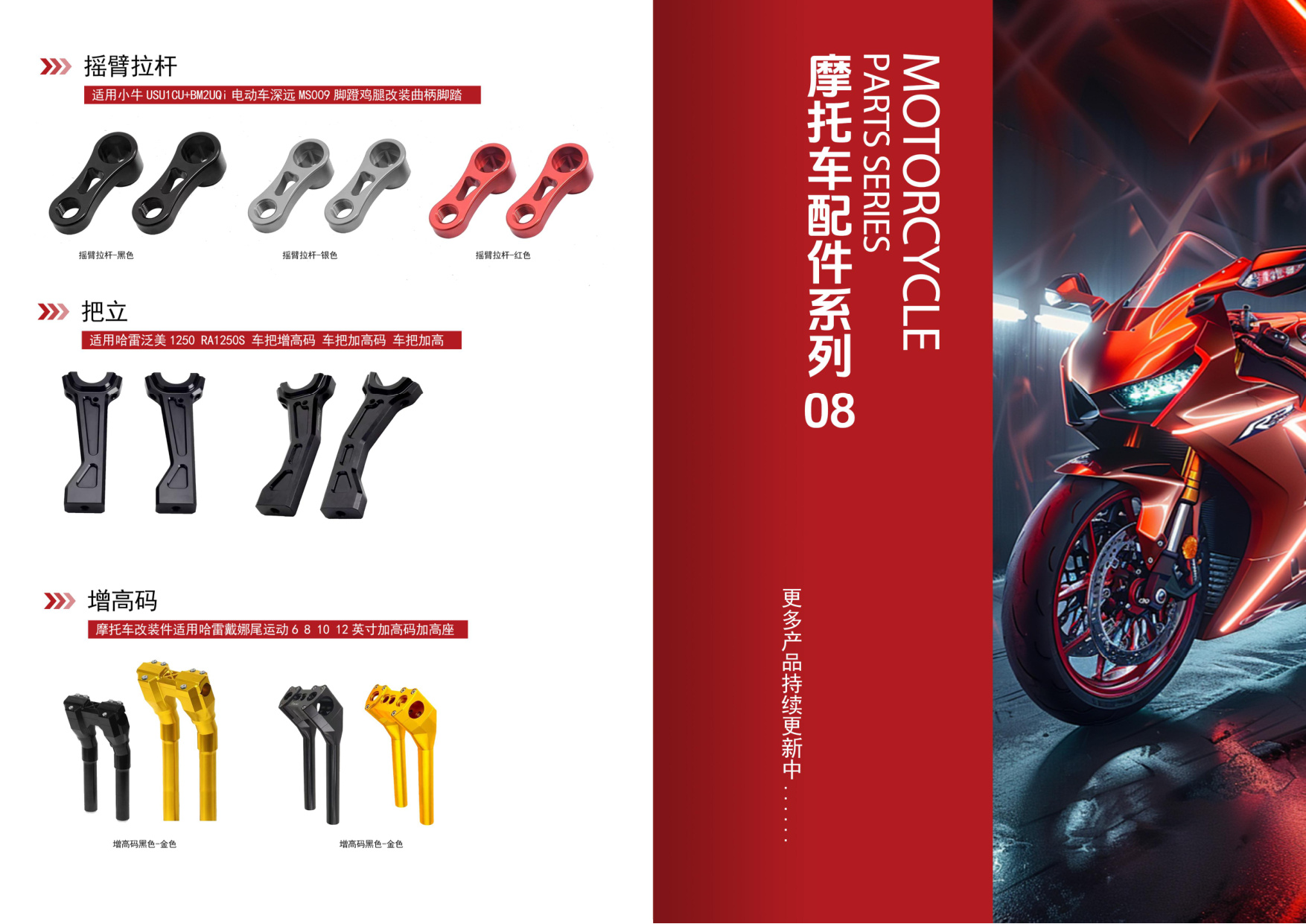
Ask for references or case studies in your industry. A supplier with experience in motorcycle parts understands the demands of vibration, fatigue, and safety. Request photos of similar parts they have produced (respecting confidentiality) and ask about their reject rate and on-time delivery metrics. If possible, visit the factory or arrange a video audit. Seeing the shop floor—machine maintenance, cleanliness, workflow—tells you more than a brochure.
7. Compare Total Cost, Not Just Unit Price
The cheapest quote is rarely the lowest total cost. Factor in tooling, setup, finishing, inspection, packaging, freight, and potential rework. A supplier that quotes low but delivers inconsistent precision CNC parts will cost you more in the long run. Request a detailed breakdown and compare like-for-like. A transparent quote with clear assumptions is a sign of a professional partner.
Conclusion
Choosing a CNC machining supplier comes down to capability, quality systems, communication, and total cost. Take time to verify equipment, inspect quality processes, and test responsiveness before committing to production. A reliable partner becomes an extension of your engineering team.
Ready to evaluate a supplier? Fuxingwang Hardware Products Co., Ltd. (Jiangmen Fuxingwang Hardware) has been providing precision CNC parts and motorcycle parts since 2012. With a 2,000 sqm factory and 100+ CNC machines, we support custom CNC machining China projects from prototype to production. Send your drawings to our team for a free quote and DFM review—we will respond with a detailed proposal and lead time.