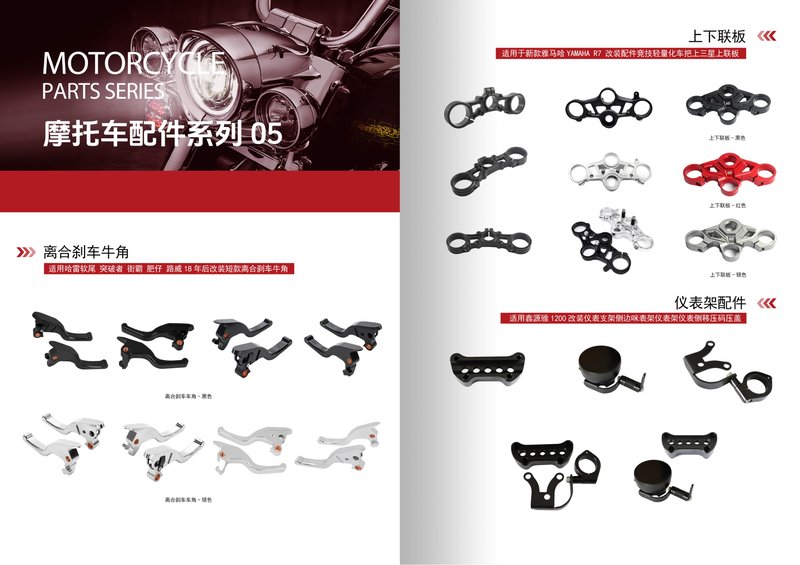
Automation has quietly reshaped the economics of CNC machining over the past decade. For buyers sourcing precision CNC parts or working with a motorcycle parts manufacturer, understanding how automation affects cost is essential to negotiating fair pricing and choosing the right custom CNC machining China partner. At Fuxingwang Hardware Products Co., Ltd. (Jiangmen Fuxingwang Hardware), founded in 2012, we have watched these shifts firsthand across our 2,000 sqm factory and 100+ CNC machines. Here is a practical breakdown of where automation changes the cost equation — and where it does not.
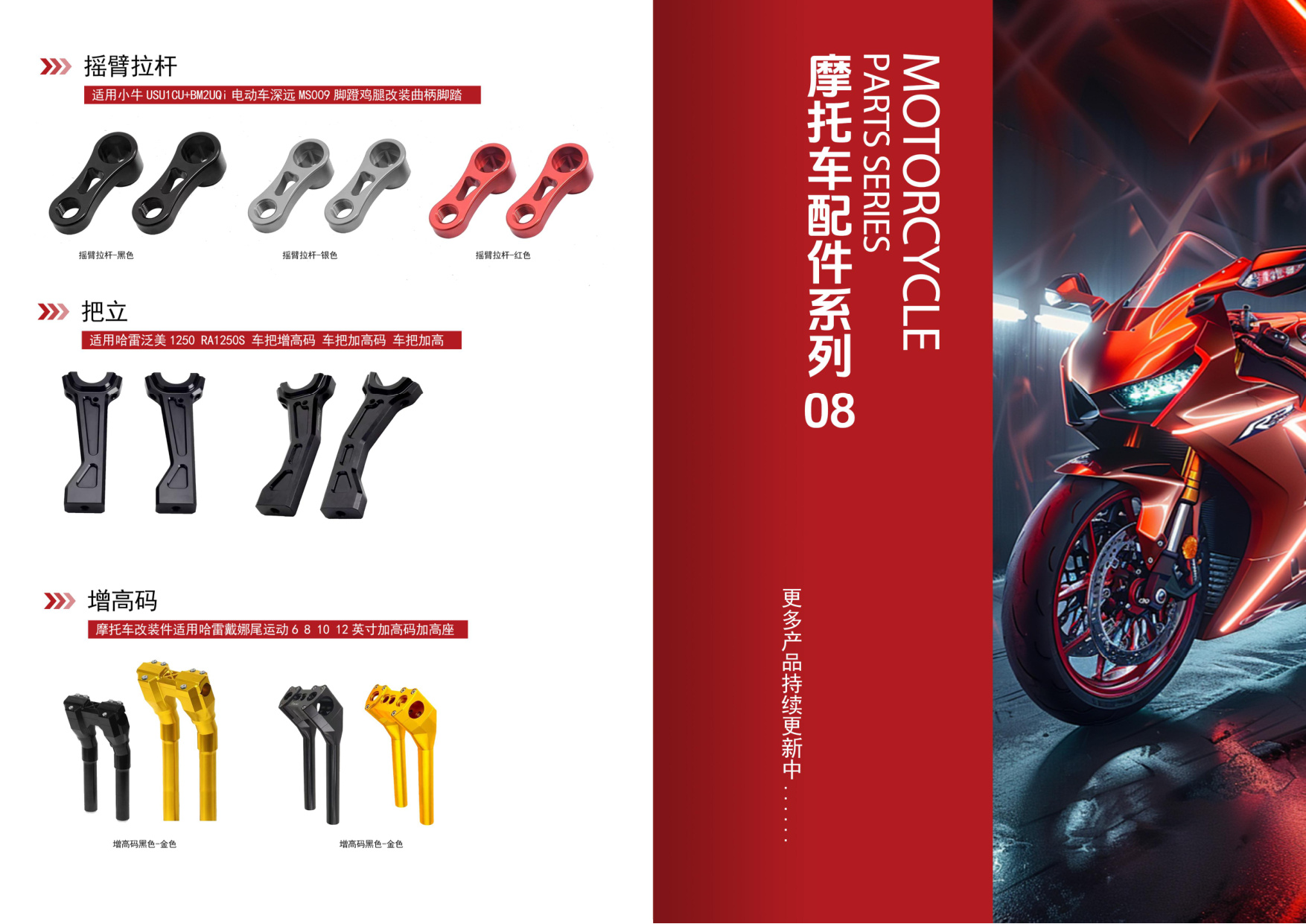
Where Automation Directly Lowers CNC Machining Cost
1. Reduced Labor Cost per Part
In conventional CNC machining, a single operator may tend one or two machines. With automated pallet changers, robotic loading, and lights-out scheduling, one operator can supervise a cell of six to ten machines. For high-volume precision CNC parts such as motorcycle brake components or engine covers, this directly reduces the labor component of unit cost. On a typical production run, labor can shift from 25–35% of part cost down to 10–15%.
2. Higher Machine Utilization
Unattended overnight shifts and automated tool changers push spindle utilization from roughly 50–60% toward 80–90%. Because machine depreciation is a fixed cost, higher utilization spreads that cost over more parts. This is especially valuable for motorcycle parts manufacturer clients needing consistent monthly volumes, where a 20% utilization gain can translate into a 10–15% reduction in per-part overhead.
3. Fewer Scrap and Rework Events
Automated in-process probing, tool wear monitoring, and closed-loop compensation reduce human error. For tight-tolerance precision CNC parts, scrap rates can fall from 2–4% to under 1%. Since material — particularly aluminum and steel — is a major cost driver, every avoided scrapped part is a direct saving passed to the buyer.
4. Faster Setup and Changeover
Automated tool presetting and standardized workholding reduce changeover time from hours to minutes. For custom CNC machining China projects with multiple variants or low-to-mid volumes, this makes smaller batch sizes economical, lowering inventory carrying costs for the buyer.
Where Automation Does Not Reduce Cost — and May Raise It
1. Capital Investment and Depreciation
Automated cells, robots, and pallet systems carry significant capital cost. Those machines must be depreciated, and the depreciation is embedded in quoted prices. For very low-volume or one-off prototypes, the automation premium may not pay back, which is why a good CNC machining partner routes prototype work to flexible manual or semi-automated machines.
2. Programming and Engineering Overhead
Automation requires robust CAM programming, simulation, and fixture design upfront. For complex precision CNC parts, this engineering effort is real cost. Buyers should expect it to be amortized across production volume, not absorbed invisibly.
3. Maintenance and Downtime Risk
Robots and automated pallets need preventive maintenance. A poorly maintained automated cell can create costly downtime. This is why factory discipline matters as much as machine count when selecting a motorcycle parts manufacturer.
How to Use This Knowledge as a Buyer
When requesting quotes for custom CNC machining China, share annual volume forecasts, tolerance requirements, and material specifications. A transparent supplier will explain how automation is applied to your part family and where cost savings are realized. At Fuxingwang Hardware, our 100+ CNC machines and automated production cells are matched to the right job — high-volume motorcycle parts manufacturer runs benefit from lights-out automation, while prototypes stay flexible and cost-effective.
Practical Takeaway
Automation lowers CNC machining cost mainly through labor reduction, utilization gains, scrap reduction, and faster changeovers. It raises cost through capital depreciation and engineering overhead. The net effect depends on volume, part complexity, and supplier discipline. Choosing a partner that applies automation intelligently — rather than uniformly — is the surest way to get competitive pricing on precision CNC parts.
Get a Free Quote from Fuxingwang Hardware
Since 2012, Jiangmen Fuxingwang Hardware has combined 2,000 sqm of production space, 100+ CNC machines, and automated cells to deliver reliable precision CNC parts and motorcycle components. Send us your drawings and volume requirements today for a free, no-obligation quote — our engineering team will review your part and recommend the most cost-effective machining approach.