Introduction
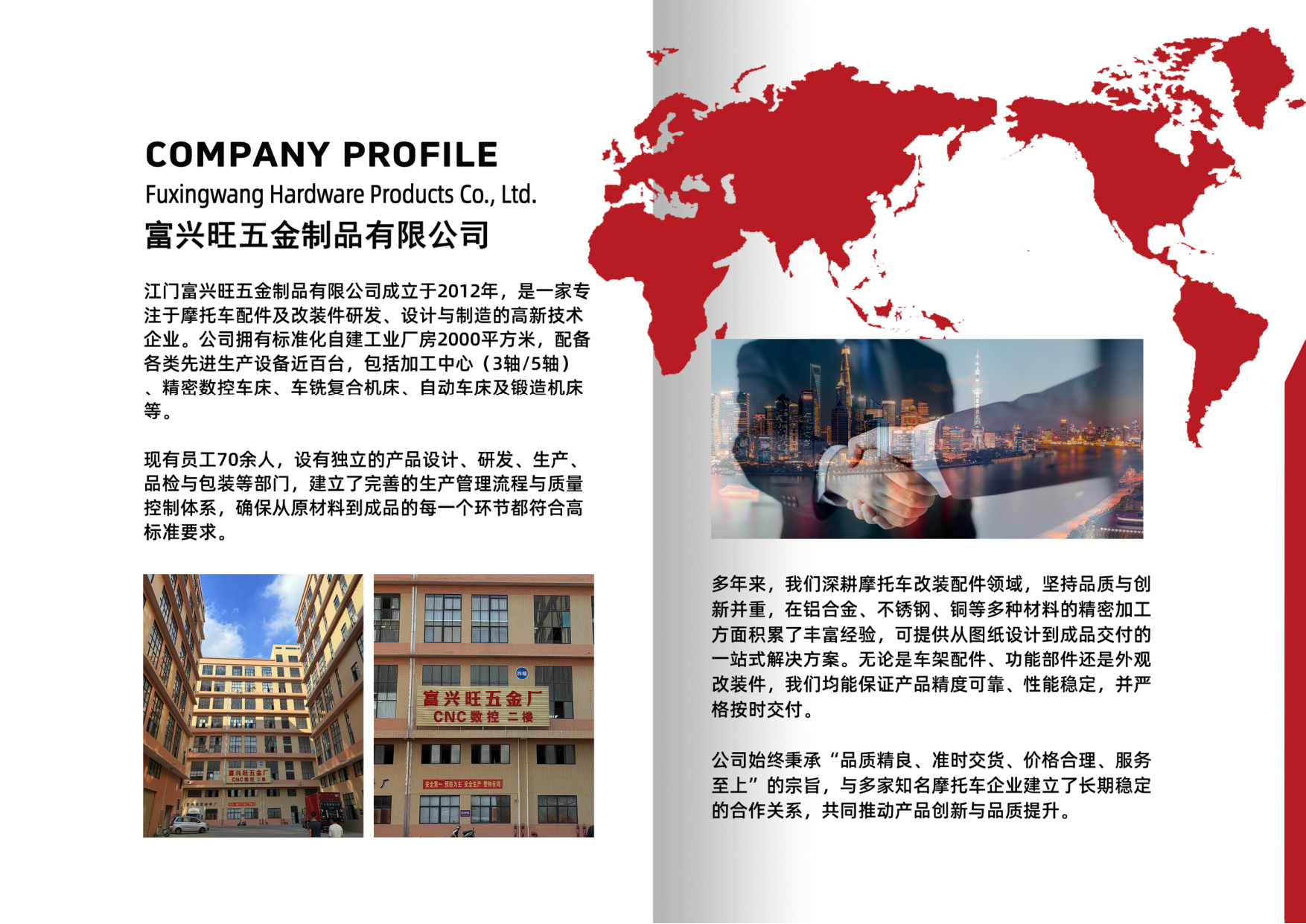
In today's competitive manufacturing landscape, automation has become a game-changer for CNC machining. As a leading motorcycle parts manufacturer and provider of custom CNC machining China-based services, Fuxingwang Hardware Products Co., Ltd. has witnessed firsthand how automation reshapes cost structures. Founded in 2012, our 2000sqm factory houses over 100 CNC machines, enabling us to deliver high-quality precision CNC parts at competitive prices. In this article, we delve into the specific ways automation affects CNC cost, offering practical insights for buyers and engineers.
1. Reduced Labor Costs Through Automation
Labor is traditionally one of the largest cost components in CNC machining. Manual operation requires skilled operators to load workpieces, monitor processes, and adjust settings. Automation minimizes human intervention, leading to significant savings.
1.1 Lights-Out Manufacturing
With advanced automation, CNC machines can run unattended for extended periods—often called "lights-out" manufacturing. This reduces the need for multiple shifts, directly lowering labor costs. At Fuxingwang, we utilize automated pallet changers and robotic arms to keep our 100+ CNC machines running overnight, cutting per-part labor expenses.
1.2 Multi-Machine Oversight
Automation allows one operator to oversee multiple machines simultaneously. Instead of one operator per machine, a single technician can manage a cell of CNC machines, further reducing labor overhead. This efficiency is especially beneficial for high-volume production of precision CNC parts.
2. Increased Machine Utilization and Throughput
Automation boosts machine utilization by minimizing idle time between operations. Quick-change tooling, automatic tool changers, and robotic loading systems ensure that CNC machines spend more time cutting and less time waiting.
2.1 Faster Setup Times
Automated setup reduces changeover times, allowing for more frequent job changes without significant cost penalties. This is crucial for custom CNC machining China projects where batch sizes vary.
2.2 Higher Production Rates
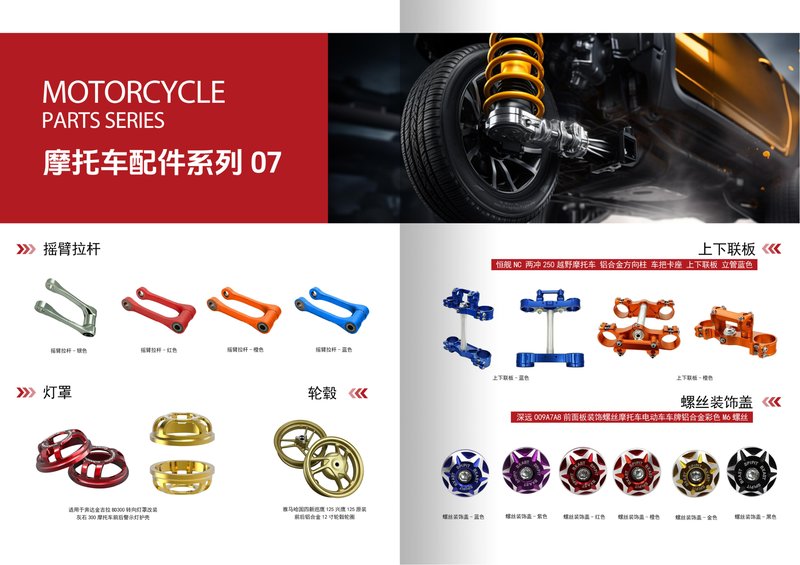
With automation, cycle times become more consistent and often shorter. Increased throughput spreads fixed costs over more units, reducing the average cost per part. For a motorcycle parts manufacturer like Fuxingwang, this means we can produce large volumes of parts like brake calipers, engine covers, and brackets at lower unit costs.
3. Improved Quality and Reduced Scrap Rates
Automation enhances precision and repeatability, leading to fewer defects and less material waste. This directly impacts cost by reducing the need for rework and scrapping.
3.1 Consistent Tolerances
Automated CNC machines maintain tight tolerances consistently, which is vital for precision CNC parts used in motorcycles. Fewer rejects mean lower material and labor costs.
3.2 In-Process Inspection
Automated inspection systems, such as touch probes and vision systems, catch deviations early, preventing costly downstream errors. This proactive quality control saves money and time.
4. Material Cost Savings
Automation optimizes material usage through better nesting, reduced scrap, and efficient cutting paths. Software-driven automation ensures that raw materials are used judiciously, lowering material costs.
4.1 Optimal Nesting
Automated nesting software arranges parts on a sheet or bar to minimize waste. For custom CNC machining China projects, this can lead to significant material savings, especially when working with expensive alloys.
4.2 Reduced Human Error
Manual programming and operation can lead to mistakes that waste material. Automation reduces these errors, further cutting costs.
5. Scalability and Flexibility
Automation makes it easier to scale production up or down based on demand. This flexibility can reduce costs associated with overproduction or underutilization.
5.1 Quick Response to Market Changes
For a motorcycle parts manufacturer, demand can fluctuate seasonally. Automated CNC systems can be quickly reprogrammed and redeployed, allowing for agile production adjustments.
5.2 Cost-Effective Low-Volume Production
Contrary to popular belief, automation can also benefit low-volume production. Flexible automation setups reduce setup costs, making small batches of precision CNC parts more economical.
6. Initial Investment vs. Long-Term Savings
While automation requires upfront investment in equipment and software, the long-term savings often outweigh the initial costs. At Fuxingwang, our investment in over 100 CNC machines and automation systems has enabled us to offer competitive pricing without compromising quality.
6.1 ROI Considerations
Calculating the return on investment (ROI) for automation involves comparing the initial capital expenditure with the projected savings in labor, material, and quality costs. For most CNC machining operations, the ROI period is relatively short, especially in high-labor-cost regions.
6.2 Competitive Advantage
By embracing automation, Chinese manufacturers like Fuxingwang can compete globally on both cost and quality. This makes custom CNC machining China an attractive option for buyers seeking precision parts at reasonable prices.
Conclusion
Automation profoundly affects CNC cost by reducing labor, increasing throughput, improving quality, saving materials, and enhancing scalability. As a premier motorcycle parts manufacturer and custom CNC machining China provider, Fuxingwang Hardware Products Co., Ltd. leverages automation to deliver precision CNC parts at competitive costs. Whether you need prototype or production quantities, our automated processes ensure efficiency and quality.
Ready to reduce your CNC machining costs? Send us your drawings today for a free quote! Our team will provide a detailed estimate and show you how our automated capabilities can benefit your project.