When you ride a motorcycle, every component faces a brutal combination of heat, vibration, moisture, road salt, and abrasion. For manufacturers, protecting these parts without compromising fit or function is a constant challenge. Hard anodizing has become one of the most trusted surface treatments for aluminium motorcycle components — and when paired with expert CNC machining, it delivers performance that ordinary finishes simply cannot match.
What Is Hard Anodizing?
Hard anodizing, also called Type III anodizing, is an electrochemical process that builds a thick, dense oxide layer on aluminium surfaces. Unlike decorative anodizing (Type II), which typically produces a coating of 5–15 microns, hard anodizing creates a layer of 25–50 microns or more. This thicker oxide layer penetrates the base metal and grows outward, resulting in a surface that is significantly harder than raw aluminium — often reaching 400–600 HV (Vickers hardness), approaching the hardness of some steels.
For motorcycle parts, this means better wear resistance, improved corrosion protection, and a surface that can withstand friction and impact far longer than untreated aluminium.
Why Motorcycle Components Benefit from Hard Anodizing
Motorcycles are exposed to the elements in a way few machines are. A motorcycle parts manufacturer must account for real-world conditions: rain, mud, UV exposure, and constant mechanical stress. Hard anodizing addresses several critical needs at once.
1. Wear Resistance for Moving Parts
Components such as fork tubes, shock bodies, brake caliper pistons, and suspension linkages undergo continuous sliding and friction. The hard oxide layer reduces galling and extends service life. In off-road and racing applications, this can be the difference between a part lasting one season and lasting several.
2. Corrosion Protection
Aluminium naturally forms a thin oxide layer, but it is not enough for harsh environments. Hard anodizing creates a much thicker barrier that resists salt spray, humidity, and chemical exposure. For riders in coastal or winter regions, this is essential.
3. Dimensional Stability
Because hard anodizing grows both into and out of the substrate, it can be controlled to maintain tight tolerances. This is especially important for precision CNC parts where a few microns can affect fit. Experienced manufacturers account for coating thickness during the machining stage, ensuring final dimensions meet specification.
4. Aesthetic and Functional Finishes
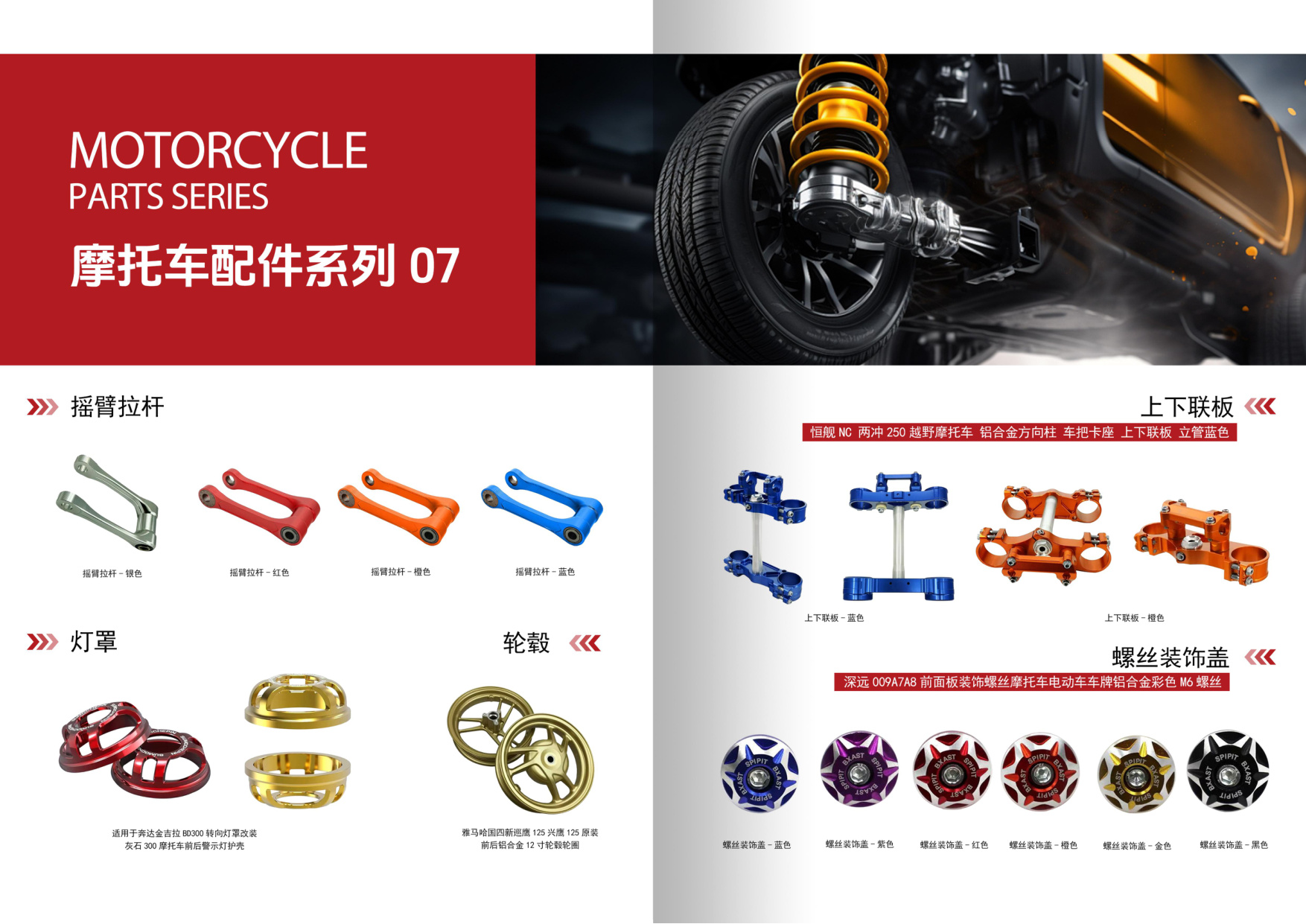
Hard anodized surfaces can be dyed in various colors, including black, clear, and custom shades. Beyond looks, the finish is non-conductive and can improve grip on certain surfaces. For custom builds, this offers both style and function.
The Role of CNC Machining in Hard Anodizing Success
Hard anodizing is only as good as the aluminium underneath. Surface defects, tool marks, and inconsistent material structure can lead to uneven coating, pitting, or poor adhesion. This is where high-quality CNC machining becomes critical.
At Fuxingwang Hardware Products Co., Ltd. (Jiangmen Fuxingwang Hardware), we have been producing motorcycle parts and custom components since 2012. Our 2,000-square-meter factory houses over 100 CNC machines, allowing us to machine aluminium parts with the precision that hard anodizing demands. We control tolerances, surface finish, and material consistency before any part reaches the anodizing line.
For buyers seeking custom CNC machining China, this integrated approach reduces risk. Instead of coordinating multiple vendors, you work with one partner who understands how machining parameters affect coating performance.
Key Considerations for Hard Anodizing Motorcycle Parts
- Alloy selection: Not all aluminium alloys anodize equally. 6061 and 7075 are common for motorcycle parts, but 7075 can be more challenging to anodize uniformly. Your machinist should advise on alloy choice based on application.
- Masking: Threads, bearing surfaces, and electrical contact points often need masking to prevent coating buildup. This requires careful planning during manufacturing.
- Thickness control: Specify coating thickness based on wear and corrosion requirements. Too thick can cause brittleness; too thin reduces protection.
- Post-treatment: Sealing or impregnation with lubricants can further enhance performance for sliding parts.
Applications in Motorcycle Manufacturing
Hard anodizing is used across a wide range of motorcycle components:
- Fork tubes and shock absorber bodies
- Brake caliper pistons and master cylinder parts
- Swingarm pivot components
- Engine covers and cases (where abrasion resistance is needed)
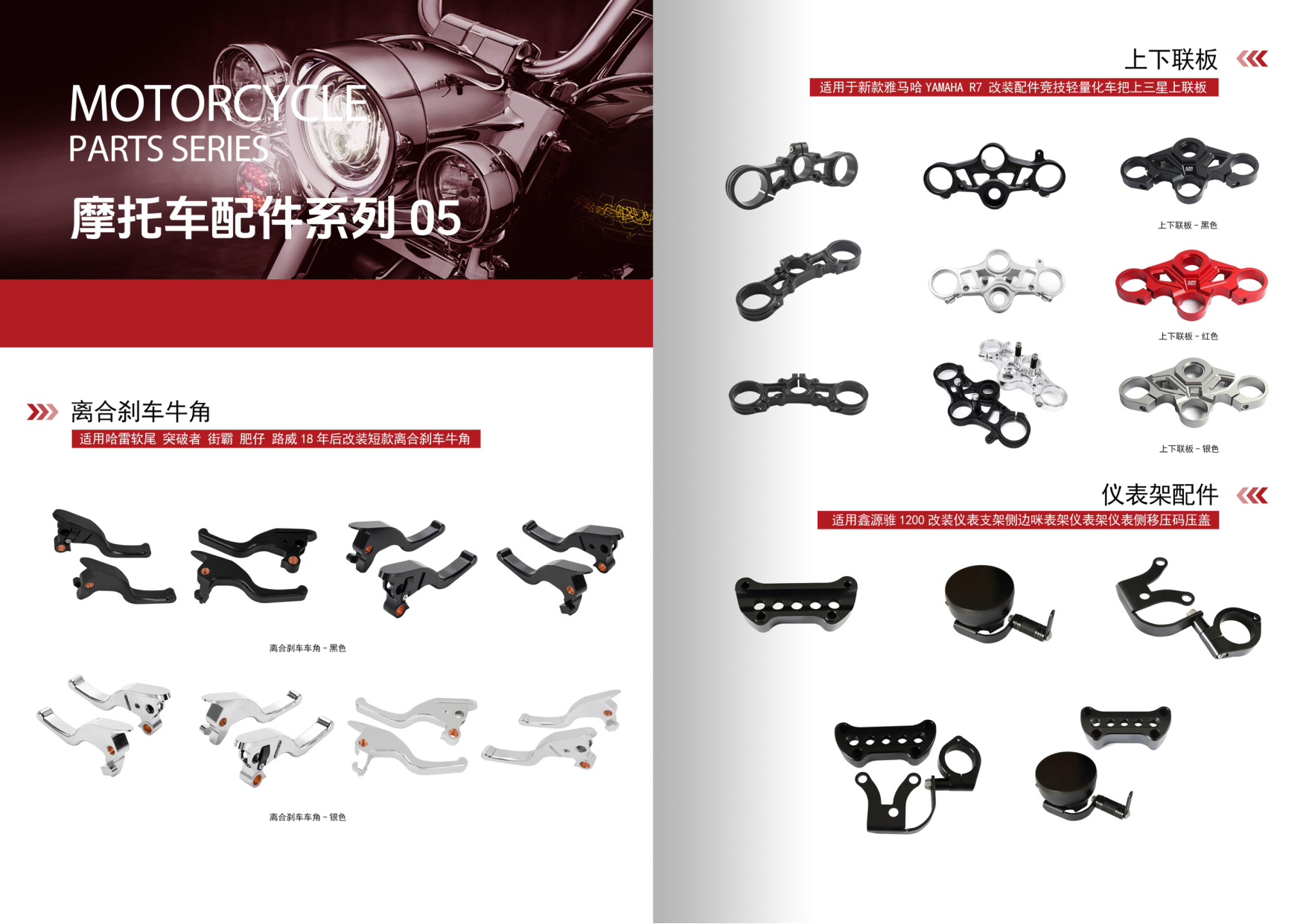
- Footpegs, levers, and brackets
- Custom aftermarket parts for racing and touring
Each application has unique demands. A motorcycle parts manufacturer with experience in both machining and finishing can recommend the right combination of alloy, machining strategy, and anodizing specification.
Why Choose Fuxingwang for Your CNC and Anodizing Needs
With over a decade of experience, 100+ CNC machines, and a focus on motorcycle components, Fuxingwang Hardware Products Co., Ltd. is positioned to support OEMs, aftermarket brands, and custom builders. We offer:
- Precision CNC machining for aluminium, steel, and other materials
- Hard anodizing coordination and finishing guidance
- Low-to-medium volume production with consistent quality
- Engineering support from prototype to mass production
Our location in Jiangmen, Guangdong, places us in one of China’s most active manufacturing regions, giving buyers access to competitive pricing and reliable logistics.
Get a Free Quote for Your Custom CNC Parts
If you are developing motorcycle components that require hard anodizing, the right manufacturing partner makes all the difference. Send us your drawings and specifications, and our team will review your project and provide a free quote. Whether you need precision CNC parts for a new model or a reliable source for ongoing production, Fuxingwang is ready to help.
Contact us today with your CAD files and let’s build something durable.