Why Fixture Design Decides the Quality of Precision CNC Parts
In CNC machining, the cutting tool gets most of the attention. But experienced machinists know that the fixture — the workholding system that locates and clamps the part — often decides whether a batch of precision CNC parts meets tolerance or ends up in the scrap bin. A well-designed fixture controls three things at once: part location, clamping force, and vibration. Get any of them wrong, and even a perfect program on a high-end machining center will produce inconsistent results.
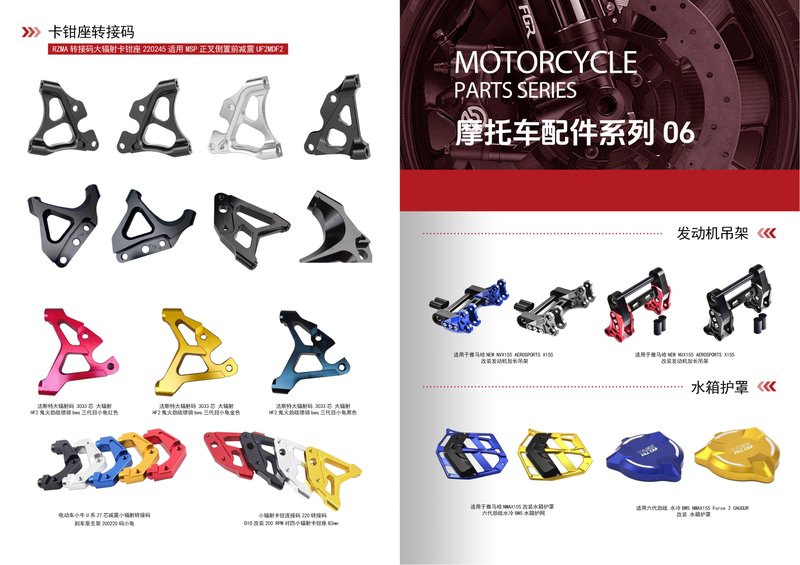
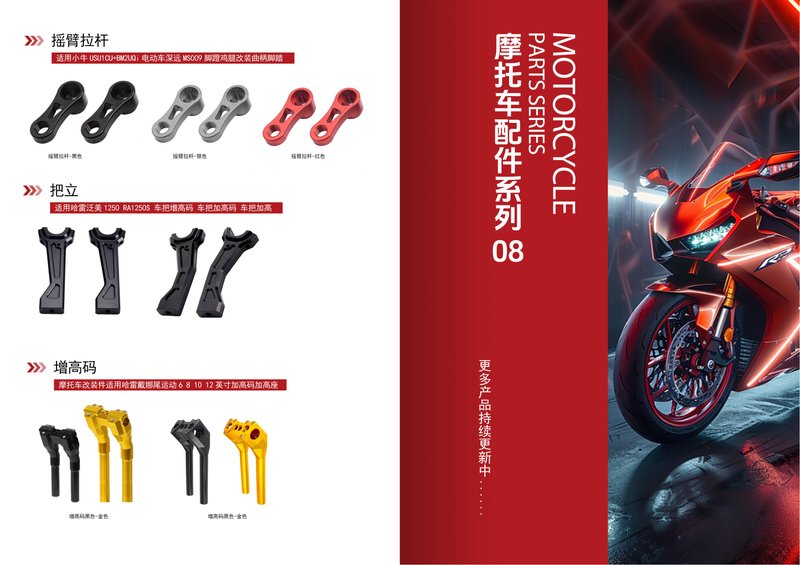
At Fuxingwang Hardware Products Co., Ltd. (Jiangmen Fuxingwang Hardware), a motorcycle parts manufacturer and custom CNC machining supplier founded in 2012, fixture design is treated as an engineering task, not an afterthought. With a 2,000 sqm factory and more than 100 CNC machines, the team designs workholding for everything from small aluminum brackets to complex motorcycle components. Here is how we approach it — and what buyers should look for when evaluating a supplier.
The Core Principles of Machining Center Fixture Design
1. Locate on Datums That Match the Drawing
Every fixture should reference the same datums called out on the customer's drawing. If a precision CNC part is dimensioned from a machined bore and a flat face, the fixture must locate on that bore and face — not on a rough casting surface. This keeps tolerance stack-up predictable. For custom CNC machining China projects where drawings arrive in mixed formats (2D PDF, 3D STEP, or hand sketches), we confirm datum intent with the customer before cutting steel.
2. Clamp Without Distorting the Part
Clamping force is the most common source of hidden error. Thin-wall motorcycle parts, such as engine covers or brake brackets, will flex under excessive pressure and spring back after unclamping. Practical fixes include:
- Using low-pressure pneumatic or hydraulic clamps on thin sections
- Supporting the part directly under the clamping point
- Sequencing roughing and finishing so final passes run with minimal clamp load
- Adding sacrificial clamping tabs that are removed in a later operation
3. Design for Rigidity and Damping
Chatter ruins surface finish and shortens tool life. Fixtures should be stiff enough to resist cutting forces, with the part held as close to the machine table as possible. Modular systems — base plates, risers, and quick-change sub-plates — let us move from one job to the next without losing repeatability, which matters in a factory running high-mix production.
4. Plan for Multi-Operation and Multi-Axis Work
Four- and five-axis machining centers reward fixtures that expose multiple faces in one setup. Tombstone fixtures and self-centering vises reduce the number of re-clampings, and every eliminated setup removes a chance for location error. For motorcycle parts manufacturer projects with left- and right-hand variants, mirrored fixtures allow both parts to run in the same cycle.
Common Fixture Types Used in CNC Machining
Vises and Soft Jaws
Standard vises with custom-machined soft jaws are fast and cost-effective for prismatic parts. Jaws are cut to the part profile, giving full-length contact and better grip than off-the-shelf jaws.
Dedicated Fixtures
For high-volume precision CNC parts, a dedicated fixture — often a steel or aluminum plate with locating pins, nests, and toe clamps — pays for itself through shorter cycle times and consistent quality. This is typical for motorcycle components produced in recurring batches.
Vacuum and Magnetic Workholding
Vacuum plates suit thin, flat parts that cannot tolerate mechanical clamping. Magnetic chucks work well for ferrous parts where full-face access is needed. Both require clean sealing surfaces and careful setup verification.
Zero-Point Systems
Zero-point clamping pallets let fixtures be swapped in seconds while maintaining repeatable position. In custom CNC machining China supply chains, this shortens changeover and makes small-batch orders more economical for buyers.
How Fuxingwang Approaches Fixture Design for Customer Projects
Our workflow starts with a drawing review: tolerances, critical features, material, and batch size all influence the fixture concept. From there, we select a workholding strategy, simulate clamp positions, and prove the process on the first article. Because we produce both motorcycle parts and general precision CNC parts, our fixture library covers a wide range of geometries and materials, including aluminum, steel, stainless, and brass.
Three practical checks we apply to every fixture:
- Repeatability test: load and unload the part five times and measure key dimensions.
- Clamp-force check: verify that the part does not deflect under clamping.
- Chip evacuation review: ensure coolant and chips clear the fixture so locating surfaces stay clean.
What This Means for Buyers Sourcing CNC Machining
When comparing suppliers for precision CNC parts, ask how fixtures are designed and whether first-article inspection includes workholding verification. A supplier that treats fixture design as engineering will deliver tighter tolerances, better surface finish, and fewer surprises at volume. That discipline is especially important for motorcycle parts manufacturer programs where safety and fit are non-negotiable.
Get a Free Quote on Your Next CNC Project
Whether you need custom CNC machining China sourcing for motorcycle components, prototype brackets, or production precision CNC parts, Fuxingwang Hardware Products Co., Ltd. is ready to help. Send us your drawings (2D or 3D) and tell us your material, quantity, and tolerance requirements — our engineering team will review the part, recommend a workholding approach, and return a free quotation with lead time. Contact Jiangmen Fuxingwang Hardware today and put 100+ CNC machines and a proven fixture design process to work on your next order.