Why Fixture Design Matters in CNC Machining
In the world of CNC machining, the difference between a good part and a great part often comes down to how it's held. Fixture design is a critical yet sometimes overlooked aspect of machining center operations. A well-designed fixture ensures stability, repeatability, and precision—three pillars that directly impact the quality of precision CNC parts. Whether you're producing complex motorcycle parts or custom components, the right fixture can mean the difference between scrap and success.
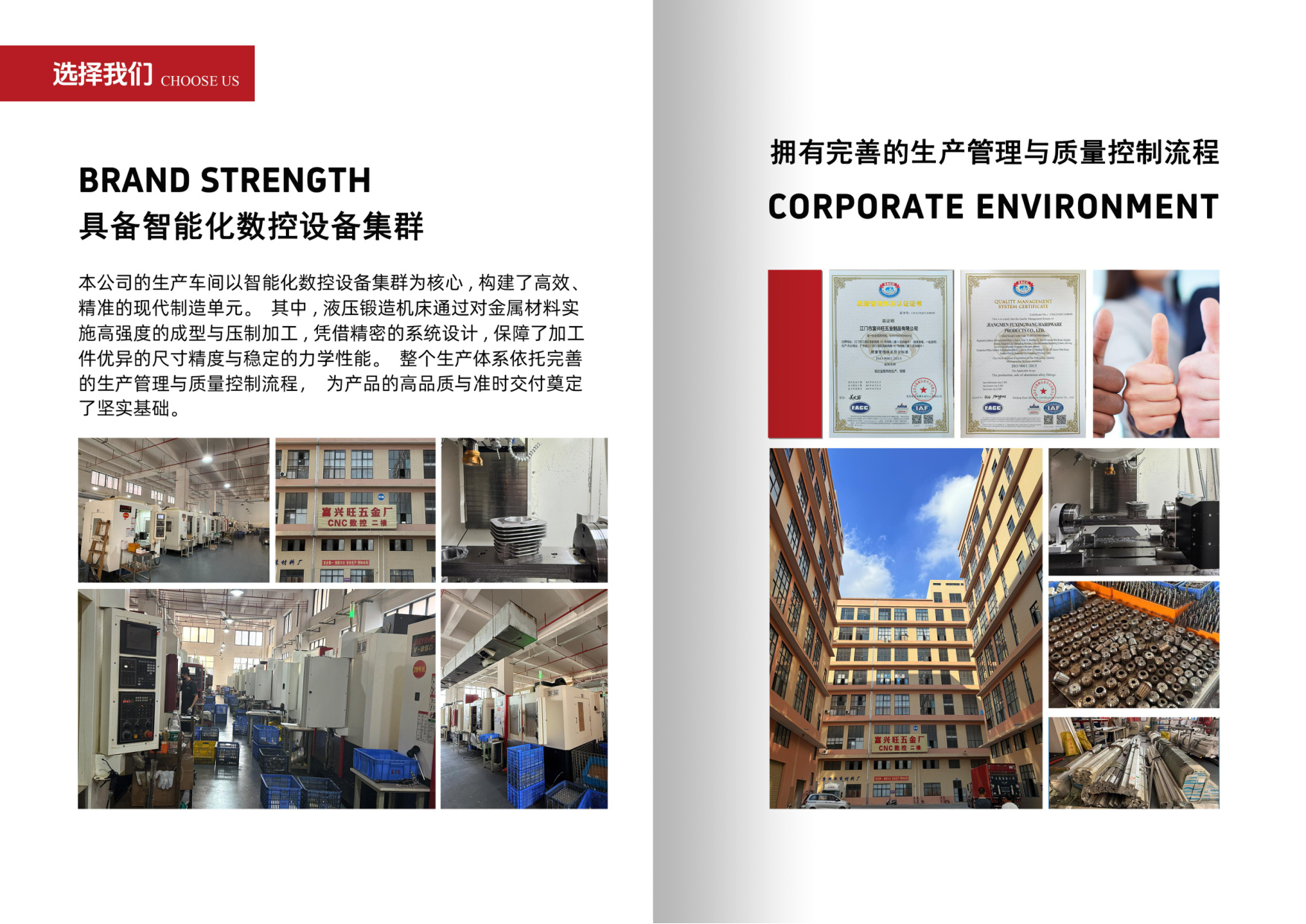
At Fuxingwang Hardware Products Co., Ltd. (Jiangmen Fuxingwang Hardware), we've been refining our fixture design strategies since 2012. With a 2000-square-meter factory and over 100 CNC machines, we've learned that effective fixturing is not just about holding a part—it's about enabling the machine to perform at its best.
Key Principles of Effective Fixture Design
Designing a fixture for a machining center requires a balance of rigidity, accessibility, and repeatability. Here are the core principles we apply daily in our custom CNC machining China operations:
1. Rigidity and Stability
The fixture must resist cutting forces without deflection. This is especially crucial when machining tough materials like steel or titanium for motorcycle parts. We use finite element analysis (FEA) to simulate stress and optimize fixture geometry. Overhangs are minimized, and support is placed as close to the cutting zone as possible.
2. Locating Accuracy
Proper locating ensures the part is positioned consistently from one cycle to the next. We employ a 3-2-1 locating principle (3 points for primary datum, 2 for secondary, 1 for tertiary) to constrain all degrees of freedom. For complex precision CNC parts, we often use custom-designed locating pins and nests that match the part's critical features.
3. Clamping Force Control
Excessive clamping can distort thin-walled parts, while insufficient force allows vibration. We specify clamps with adjustable force and use pressure gauges to verify. For delicate motorcycle parts like engine covers, we often use pneumatic or hydraulic clamps with low-pressure settings.
4. Tool Accessibility
The fixture should not obstruct tool paths. We design fixtures with cutouts and reliefs to allow clear access for end mills, drills, and taps. This is particularly important for multi-axis machining centers where the tool approaches from various angles.
5. Chip Evacuation
Poor chip evacuation leads to recutting, heat buildup, and tool wear. Our fixtures incorporate chip channels and are designed to avoid pockets where chips can accumulate. We also consider coolant flow in the design to ensure efficient flushing.
Types of Fixtures Used in Machining Centers
Depending on the part complexity and production volume, we select from several fixture types:
Modular Fixtures
Ideal for low-to-medium volume custom CNC machining, modular systems like grid plates with interchangeable components allow quick changeovers. We use them for prototyping and small batches of motorcycle parts.
Dedicated Fixtures
For high-volume production, dedicated fixtures are designed for a specific part. They offer maximum rigidity and repeatability. In our factory, dedicated fixtures are common for precision CNC parts that require tight tolerances.
Vacuum Fixtures
Used for thin, flat parts, vacuum fixtures provide uniform clamping without distortion. They are popular for aluminum plates and covers often found in motorcycle parts.
Hydraulic and Pneumatic Fixtures
These offer consistent clamping force and fast operation, reducing cycle times. We integrate them into automated cells for high-volume CNC machining.
Design Process at Fuxingwang Hardware
Our fixture design process is collaborative and data-driven:
- Part Analysis: We review the 3D model and drawing to identify critical features, tolerances, and material properties.
- Concept Design: Our engineers propose fixture concepts, considering machine specifications and production volume.
- Simulation: We use CAD/CAM software to simulate machining and verify accessibility and rigidity.
- Prototyping and Testing: A prototype fixture is built and tested on the actual machine. We measure part accuracy and adjust as needed.
- Final Production: Once validated, the fixture is manufactured and deployed.
This rigorous approach ensures that every fixture we build supports our commitment to quality and efficiency.
Common Fixture Design Mistakes to Avoid
Even experienced machinists can fall into traps. Here are pitfalls we've learned to avoid:
- Over-constraining: Trying to locate on too many surfaces can cause binding and inconsistent seating.
- Ignoring thermal expansion: For long runs, heat can cause the fixture to expand, affecting accuracy. We design with thermal compensation in mind.
- Inadequate support for thin walls: Without proper backing, thin walls vibrate and distort. We use sacrificial supports or low-melt alloys.
- Poor chip evacuation design: Trapped chips can damage the part and fixture. We incorporate air blasts and chip channels.
Conclusion
Fixture design is a cornerstone of successful CNC machining. It directly influences part quality, cycle time, and cost. At Fuxingwang Hardware, we combine years of experience with advanced tools to design fixtures that maximize the potential of our 100+ CNC machines. Whether you need precision CNC parts for motorcycles or custom components for other industries, our expertise in fixture design ensures your parts meet the highest standards.
Ready to start your next project? Send us your drawings and specifications for a free quote. Our team will review your requirements and provide a detailed proposal, including fixture design considerations. Contact us today to experience the Fuxingwang difference in custom CNC machining China.