Why Deburring and Polishing Decide the Quality of Precision CNC Parts
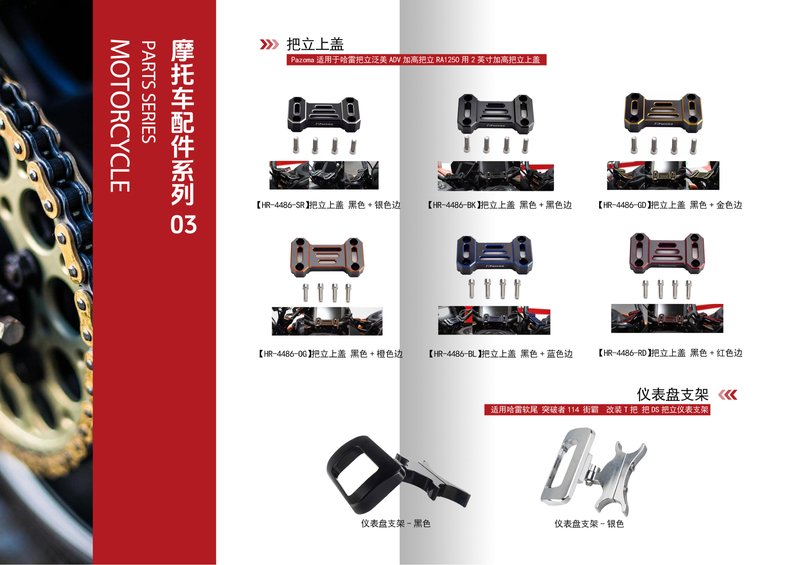
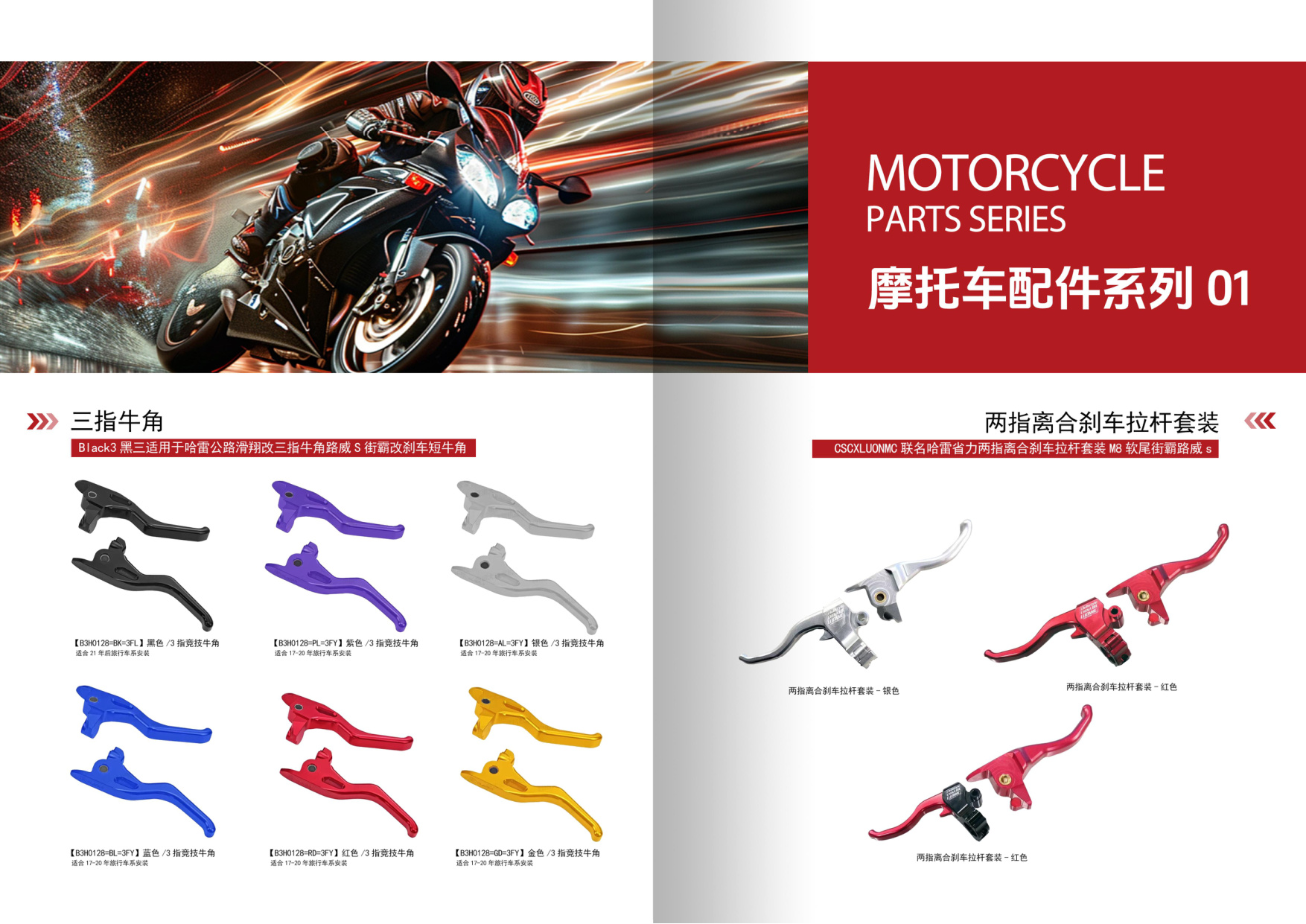
When buyers search for a reliable partner for CNC machining, they usually focus on tolerances, material grades, and machine counts. But the parts that pass inspection and survive real-world use are often separated by something less visible: edge quality and surface finish. Burrs left on a machined edge can raise mating surfaces, cut assembly workers, trap debris, and create fatigue cracks in dynamic components. For a motorcycle parts manufacturer, a sharp burr on a brake caliper bracket or a suspension link is not a cosmetic issue — it is a safety and warranty risk. At Fuxingwang Hardware Products Co., Ltd. (Jiangmen Fuxingwang Hardware), founded in 2012, we treat deburring and polishing as a controlled production step, not an afterthought. This article explains how we handle it in our 2,000 m² factory with more than 100 CNC machines.
Where Burrs Come From in CNC Machining
Burrs are created whenever a cutting tool exits the workpiece or when material plastically deforms instead of shearing cleanly. In practice, we see them in predictable places:
Common burr locations
- Cross-drilled holes, especially where the drill breaks through the far side
- Thread exits and chamfer edges
- Slots and pockets with small corner radii
- Parting lines on turned components
- Faces where a face mill leaves a thin trailing edge
Burr size depends on material, tool wear, feed rate, spindle speed, and coolant strategy. Aluminum can produce large, gummy burrs; stainless steel tends to form hard, thin burrs; titanium and high-strength alloys can produce work-hardened edges that resist simple hand removal. Because every material behaves differently, we match the deburring method to the alloy and the feature being machined.
Deburring Methods We Use for Custom CNC Machining
For custom CNC machining China projects, there is no single deburring solution. We select a combination based on part geometry, volume, and required edge condition.
1. Manual deburring
Skilled operators use rotary burs, ceramic stones, diamond files, and scrapers to remove burrs from complex features, internal pockets, and areas that automated tools cannot reach. This is slower but highly controllable, and it remains the best option for low-volume prototypes and intricate motorcycle components.
2. Thermal deburring (TEM)
Parts are placed in a chamber filled with a combustible gas mixture. Ignition creates a brief, high-temperature pressure wave that oxidizes burrs on both external and internal surfaces. TEM is effective for parts with many intersecting holes and hidden edges, and it processes many parts at once. We use it when geometry makes manual access impractical.
3. Electrochemical deburring (ECD)
ECD removes burrs by controlled electrolytic dissolution. It produces consistent, repeatable edges and is well suited to hardened materials and high-volume production. Because it is a chemical process, tooling and electrolyte selection must be matched to the workpiece alloy.
4. Abrasive flow machining (AFM)
For internal passages such as hydraulic bores and fuel channels, we push a viscous abrasive media through the part. AFM polishes and deburrs hard-to-reach internal surfaces while maintaining dimensional accuracy — critical for precision CNC parts used in fluid systems.
5. Mechanical finishing and edge radiusing
When a print calls for a specific edge break, we use vibratory tumbling, brush deburring, or CNC-controlled chamfering to create a uniform radius. This is common on parts that must avoid stress concentrations or meet assembly fit requirements.
Polishing and Surface Finishing Options
Polishing goes beyond deburring. It reduces surface roughness, improves corrosion resistance, and prepares parts for anodizing, plating, or painting. Our finishing capabilities include:
Mechanical polishing
Vibratory finishing with ceramic or plastic media smooths edges and surfaces. For finer results, we use barrel polishing, buffing, and hand polishing with progressively finer abrasives. This is frequently requested for visible motorcycle parts and custom hardware.
Electropolishing
Electropolishing removes a microscopic layer of material, leaving a bright, passivated surface. It is ideal for stainless steel medical, food, and marine components where a clean, corrosion-resistant finish is required.
Bead blasting and shot blasting
These create a uniform matte texture, hide tool marks, and provide a good adhesion base for coatings. We control media type, pressure, and distance to achieve repeatable results.
Edge blending for function
Sometimes the goal is not a mirror finish but a controlled radius. We blend edges to reduce stress risers on load-bearing motorcycle parts, ensuring the finished edge matches the engineering intent.
Quality Control After Deburring and Polishing
Finishing is verified, not assumed. Our inspection process includes:
- Visual inspection under magnification for remaining burrs or sharp edges
- Surface roughness measurement (Ra) when specified
- Dimensional checks to confirm finishing did not alter critical tolerances
- Thread gauging to ensure deburring did not damage threads
- First article inspection and in-process checks for repeat orders
For precision CNC parts, we document the approved finish in the inspection report so buyers receive consistent parts order after order.
Why Buyers Choose Our Finishing Workflow
With more than 100 CNC machines and over a decade of production experience since 2012, we have learned that finishing capacity must scale with machining capacity. A factory that machines quickly but finishes slowly becomes a bottleneck. We plan deburring and polishing into the routing from the start, so lead times stay predictable. Our team also reviews drawings for edge break notes, surface finish symbols, and coating requirements before production begins — catching issues before they become scrap.
Send Your Drawings for a Free Quote
If you need precision CNC parts, motorcycle components, or custom hardware with clean edges and a controlled finish, our engineering team is ready to review your project. Send us your 2D drawings or 3D files, material specification, and finish requirements. We will respond with a free quotation, suggested deburring and polishing method, and realistic lead time. Contact Fuxingwang Hardware Products Co., Ltd. (Jiangmen Fuxingwang Hardware) today to start your next order.