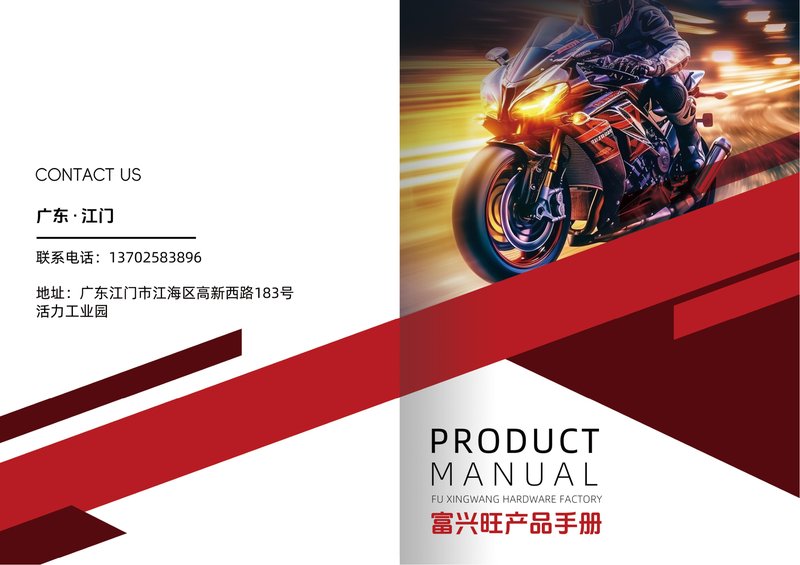
Why Deburring and Polishing Are Critical for Precision CNC Parts
In the world of CNC machining, achieving tight tolerances is only half the battle. The other half lies in finishing. Burrs—tiny, sharp edges left behind after cutting, milling, or turning—can compromise the fit, function, and safety of even the most precisely machined components. For industries like automotive, aerospace, and medical, where precision CNC parts must perform flawlessly, deburring and polishing are not optional; they are essential.
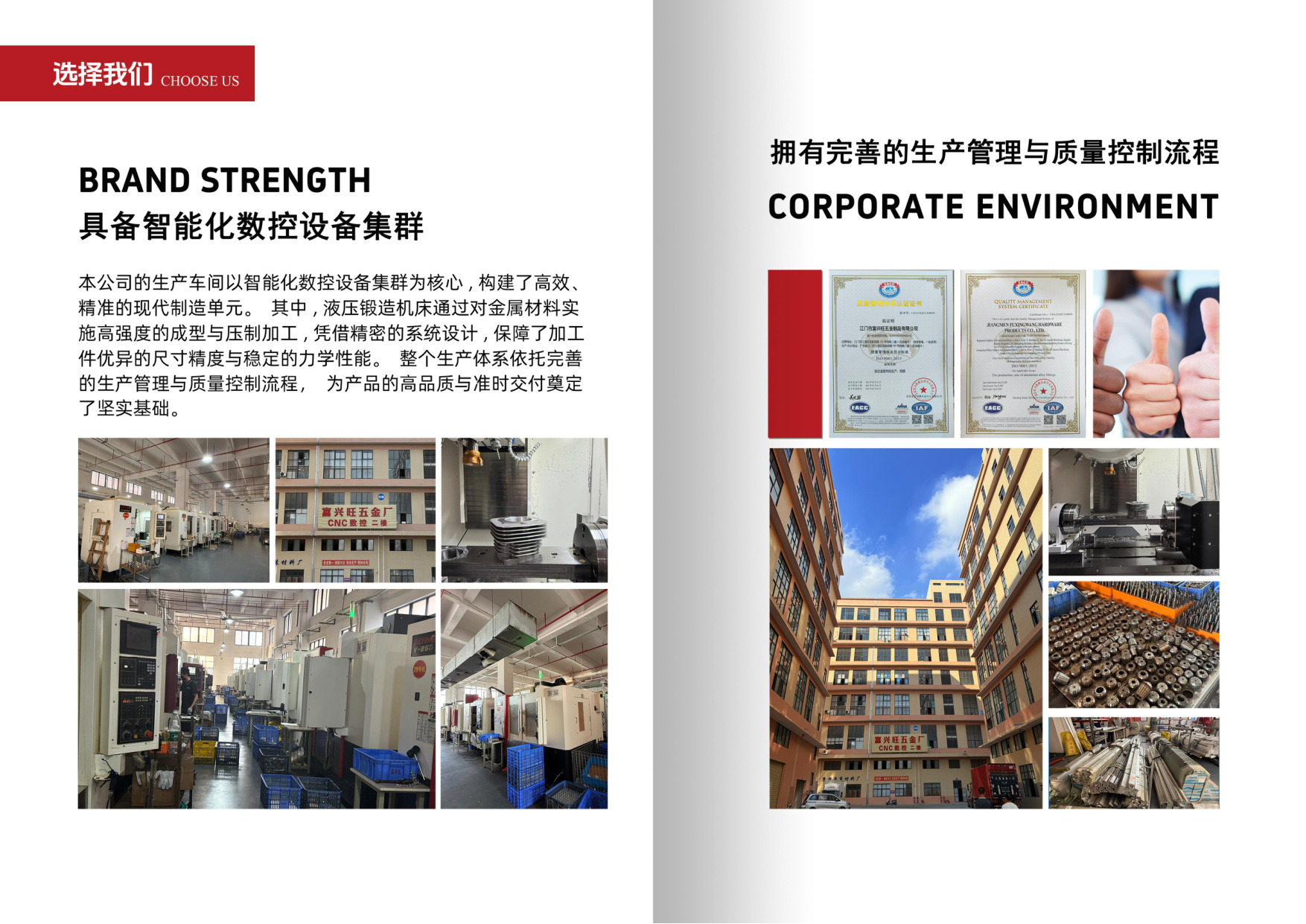
At Fuxingwang Hardware Products Co., Ltd. (Jiangmen Fuxingwang Hardware), we have specialized in custom CNC machining China since 2012. With a 2,000-square-meter factory and over 100 CNC machines, we produce high-quality motorcycle parts and precision components for clients worldwide. In this article, we share our expertise on deburring and polishing, helping you understand why these processes matter and how to choose the right method for your project.
What Causes Burrs in CNC Machining?
Burrs form when the cutting tool plastically deforms the workpiece material instead of cleanly shearing it. Several factors contribute to burr formation:
- Tool wear: Dull tools push material rather than cut it.
- Cutting parameters: Incorrect feeds and speeds can increase heat and friction.
- Material properties: Ductile metals like aluminum and mild steel tend to produce more burrs.
- Tool geometry: Improper rake angles or edge preparation can worsen burring.
Understanding these causes helps machinists minimize burrs at the source, but some level of burring is inevitable. That's where deburring comes in.
Deburring Methods for Precision CNC Parts
Deburring removes sharp edges and improves surface quality. The method chosen depends on part geometry, material, and production volume. Here are the most common techniques:
1. Manual Deburring
Skilled operators use files, scrapers, and abrasive pads to remove burrs by hand. This method is flexible and ideal for complex parts or low-volume runs. However, it is labor-intensive and can lead to inconsistent results if not carefully controlled.
2. Thermal Deburring (TEM)
Also known as explosive deburring, this process places parts in a chamber filled with combustible gas. Ignition creates a burst of heat that instantly oxidizes burrs. TEM is excellent for internal features and hard-to-reach areas, but it requires specialized equipment and is best for high-volume production.
3. Electrochemical Deburring (ECD)
ECD uses an electrolyte solution and electrical current to dissolve burrs. It is precise, repeatable, and leaves no thermal damage. This method is ideal for delicate precision CNC parts and complex geometries.
4. Mechanical Deburring
Automated systems like vibratory tumblers, brushes, and abrasive flow machining use mechanical force to smooth edges. Vibratory deburring is cost-effective for batch processing, while abrasive flow machining excels at polishing internal channels.
At Fuxingwang Hardware, we combine multiple deburring methods to suit each customer's needs. Whether you need a few prototype motorcycle parts or thousands of precision CNC parts, we tailor the process for optimal results.
Polishing: Beyond Deburring for a Superior Finish
Polishing takes surface finishing a step further by reducing roughness and creating a smooth, reflective surface. For many precision CNC parts, polishing is necessary to meet aesthetic, functional, or regulatory requirements.
Why Polish Precision CNC Parts?
- Improved fatigue resistance: Polishing removes micro-cracks and stress risers, extending part life.
- Better corrosion resistance: A smooth surface reduces areas where moisture and contaminants can accumulate.
- Enhanced appearance: For visible components like motorcycle parts, a polished finish adds perceived value.
- Cleanability: Polished surfaces are easier to clean, which is critical for medical and food-grade equipment.
Common Polishing Techniques
We use several polishing methods depending on the material and desired finish:
- Mechanical polishing: Using abrasive belts, wheels, and buffs to progressively refine the surface.
- Electropolishing: An electrochemical process that removes a thin layer of material, leaving a bright, passivated surface. Ideal for stainless steel and medical parts.
- Vibratory polishing: Tumbling parts with abrasive media for a uniform, smooth finish. Perfect for large batches of small parts.
- Chemical polishing: Immersion in a chemical bath to dissolve surface peaks. Suitable for complex geometries.
As a leading motorcycle parts manufacturer, we know that polishing is not just about looks—it's about performance. Our polishing processes are carefully controlled to meet tight tolerances and customer specifications.
Choosing the Right Deburring and Polishing Partner
Not all CNC machining companies offer comprehensive deburring and polishing services. When selecting a partner for custom CNC machining China, consider these factors:
- In-house capabilities: Does the manufacturer handle deburring and polishing internally, or outsource? In-house control ensures quality and speed.
- Experience with your material: Different metals require different approaches. Aluminum, stainless steel, titanium, and brass all behave differently.
- Quality assurance: Look for ISO certifications and inspection protocols. At Fuxingwang Hardware, we use advanced metrology equipment to verify surface finish and edge quality.
- Scalability: Can they handle both prototypes and mass production? Our 100+ CNC machines and flexible finishing lines allow us to scale with your needs.
How Fuxingwang Hardware Delivers Excellence in Finishing
Since 2012, Fuxingwang Hardware Products Co., Ltd. has been a trusted name in precision CNC parts and motorcycle parts manufacturing. Our 2,000-square-meter facility in Jiangmen, China, houses over 100 CNC machines, including turning, milling, and multi-axis centers. We complement our machining capabilities with a full suite of deburring and polishing services.
Our team of engineers works closely with clients to select the optimal finishing process for each application. Whether you need a mirror finish on a custom motorcycle part or a burr-free medical component, we deliver consistent, high-quality results. We serve customers across North America, Europe, and Asia, providing reliable custom CNC machining China with competitive pricing and fast lead times.
Conclusion: Don't Let Burrs Ruin Your Precision Parts
Deburring and polishing are indispensable steps in the production of precision CNC parts. They ensure safety, performance, and longevity, especially for critical applications like motorcycle parts. By partnering with a manufacturer that prioritizes finishing, you protect your product's reputation and reduce the risk of field failures.
Ready to elevate your next project? Send your drawings to Fuxingwang Hardware for a free quote. Our team will review your specifications and recommend the best deburring and polishing approach. Experience the difference of working with a dedicated motorcycle parts manufacturer and custom CNC machining expert. Contact us today at [email address] or visit our website to learn more.