When you need precision CNC parts, the material you choose can make or break your project. Copper and aluminum are two of the most common metals used in CNC machining, but they behave very differently on the shop floor. At Fuxingwang Hardware Products Co., Ltd., a trusted motorcycle parts manufacturer and custom CNC machining China partner since 2012, we machine both every day. This guide breaks down the key differences so you can specify the right metal for your next order.
Why Material Choice Matters in CNC Machining
CNC machining is a subtractive process: a rotating tool cuts away material from a solid block. The metal's hardness, thermal conductivity, and chip formation directly affect cycle time, tool wear, surface finish, and final part cost. Choosing the wrong material can lead to slow production, poor tolerances, or premature tool failure. For buyers sourcing precision CNC parts, understanding copper vs aluminum is the first step toward a cost-effective, high-quality result.
Copper CNC Machining: Properties and Performance
Copper is a soft, ductile metal with outstanding electrical and thermal conductivity. It is roughly 30% denser than aluminum, which gives it a heavier, more premium feel. In CNC machining, copper is often alloyed to improve machinability. Common grades include C110 (electrolytic tough pitch) and C360 (free-machining brass, a copper-zinc alloy).
Advantages of Copper
- Superior conductivity: Ideal for electrical connectors, busbars, and heat sinks.
- Excellent thermal management: Copper dissipates heat up to 60% faster than aluminum by volume.
- Corrosion resistance: Natural oxide layer protects against many environments.
- Machinability (with alloys): Free-cutting brass offers excellent chip control and fine finishes.
Challenges of Copper
- Higher cost: Copper raw material is typically 2–3 times more expensive than aluminum.
- Tool wear: Pure copper is gummy and can stick to cutting tools, requiring sharp, polished tooling and generous coolant.
- Weight: Heavier parts may not suit weight-sensitive applications.
- Thermal expansion: Can affect tight tolerances if not managed with proper feeds and speeds.
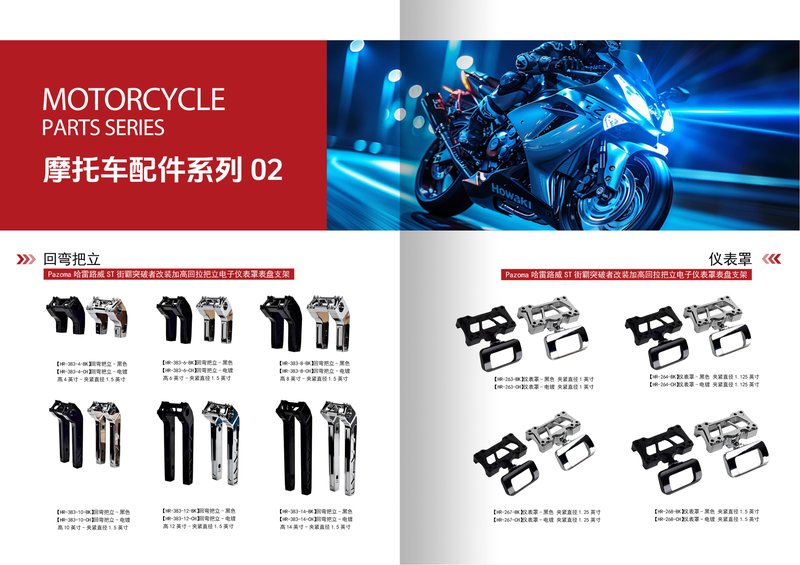
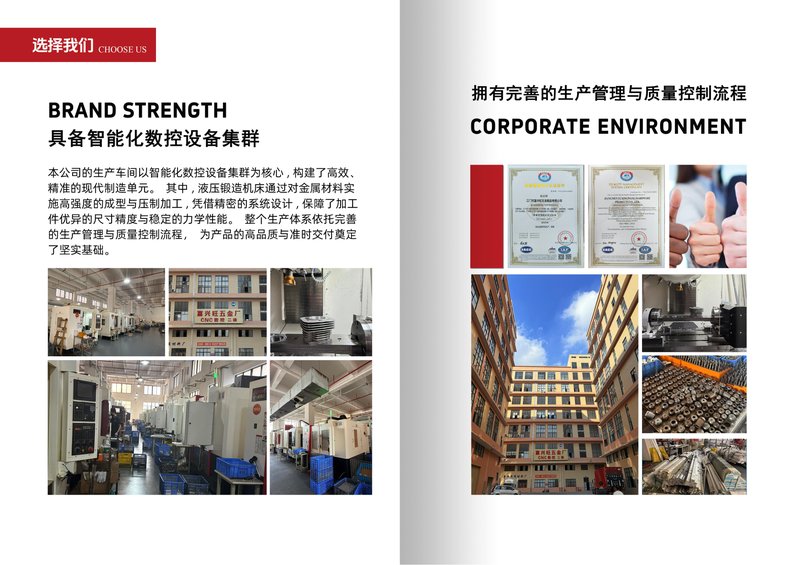
At Fuxingwang, we machine copper and brass components for electrical, marine, and high-end motorcycle applications. Our 100+ CNC machines include Swiss-type lathes and 5-axis mills that handle copper's tendency to gum up with precision.
Aluminum CNC Machining: Properties and Performance
Aluminum is the workhorse of CNC machining. It is lightweight, strong for its weight, and easy to cut. Popular grades include 6061-T6 (general purpose), 7075-T6 (high strength), and 2024 (aerospace). Aluminum is about one-third the density of copper, making it ideal for weight-critical parts.
Advantages of Aluminum
- Lightweight: Essential for motorcycle parts, aerospace, and portable devices.
- Excellent machinability: Fast cutting speeds, good chip evacuation, and long tool life.
- Good corrosion resistance: Natural oxide layer; can be anodized for color and durability.
- Lower cost: Raw material and machining costs are generally lower than copper.
- High strength-to-weight ratio: 7075 aluminum rivals some steels.
Challenges of Aluminum
- Lower conductivity: Not suitable for high-current electrical parts without oversizing.
- Softness: Can scratch or deform easily; requires careful handling and fixturing.
- Thermal expansion: Higher than copper, which can affect tight-tolerance machining.
- Galvanic corrosion: Can corrode when in contact with dissimilar metals in wet environments.
As a motorcycle parts manufacturer, we use aluminum extensively for engine covers, brackets, triple clamps, and custom levers. Its balance of strength, weight, and cost is hard to beat for most rider-facing components.
Copper vs Aluminum: Side-by-Side Comparison
| Property | Copper | Aluminum |
|---|---|---|
| Density (g/cm³) | 8.96 | 2.70 |
| Electrical Conductivity (% IACS) | 100 | 61 |
| Thermal Conductivity (W/m·K) | ~400 | ~235 |
| Machinability (free-cutting brass vs 6061) | Good | Excellent |
| Relative Cost | High | Low–Medium |
| Corrosion Resistance | Excellent | Good (anodizable) |
| Typical CNC Applications | Connectors, heat sinks, bushings | Motorcycle parts, enclosures, brackets |
How to Choose the Right Material for Your Project
Ask these questions before you request a quote:
- What is the primary function? Electrical or thermal? Choose copper. Structural or weight-sensitive? Choose aluminum.
- What is your budget? Aluminum is almost always more economical for large volumes.
- What are the environmental conditions? Copper excels in marine and high-humidity settings; aluminum needs anodizing or coating for similar protection.
- What tolerances do you need? Both can hold tight tolerances, but copper's gumminess requires more experienced programming.
- Will the part be anodized or plated? Aluminum anodizes beautifully; copper can be nickel- or tin-plated.
Why Fuxingwang Hardware Is Your Custom CNC Machining China Partner
Founded in 2012, Fuxingwang Hardware Products Co., Ltd. operates a 2,000-square-meter factory in Jiangmen, Guangdong, equipped with over 100 CNC machines. We specialize in precision CNC parts for motorcycles, automotive, electronics, and industrial equipment. Our team machines both copper and aluminum daily, so we can advise you on the most cost-effective material and process for your design.
Whether you need a prototype or production run, we deliver consistent quality, fast lead times, and competitive pricing. Our engineers review every drawing for manufacturability and suggest improvements that save you money without compromising performance.
Ready to Start Your CNC Project?
Send us your drawings or 3D files today for a free quote. Whether you are comparing copper vs aluminum or need a full turnkey solution, Fuxingwang Hardware is here to help. As an experienced motorcycle parts manufacturer and custom CNC machining China supplier, we turn your ideas into precision metal parts. Contact us now — your first quote is free, and our team will respond within 24 hours.