Copper vs Aluminum CNC Machining: A Practical Guide for Buyers
When you need precision CNC parts, the material you choose shapes everything: machining strategy, cycle time, surface finish, tolerances, and total landed cost. As a motorcycle parts manufacturer and custom CNC machining China supplier since 2012, we at Fuxingwang Hardware Products Co., Ltd. (Jiangmen Fuxingwang Hardware) machine both copper and aluminum daily. This guide breaks down how each metal behaves on the shop floor—so you can specify the right one for your project.
Why Material Choice Matters in CNC Machining
CNC machining is subtractive: cutters remove material to create a final geometry. The workpiece's hardness, thermal conductivity, chip formation, and tendency to work-harden all determine feeds, speeds, tool wear, and achievable tolerances. Copper and aluminum sit at different points on that spectrum. Choosing the wrong one can double machining time, drive up tooling costs, or produce a part that fails in service.
Aluminum CNC Machining: Light, Fast, and Cost-Effective
Aluminum is the workhorse of production CNC. Common grades include 6061-T6, 7075-T6, and 2024. It machines at high spindle speeds with excellent chip evacuation, which keeps cycle times low—especially on multi-axis machines and lathes.
Key properties
- Density: ~2.7 g/cm³ — roughly one-third that of copper
- Electrical/thermal conductivity: good, but lower than copper
- Machinability: excellent; produces clean chips and fine finishes
- Corrosion resistance: good, especially when anodized
Best applications
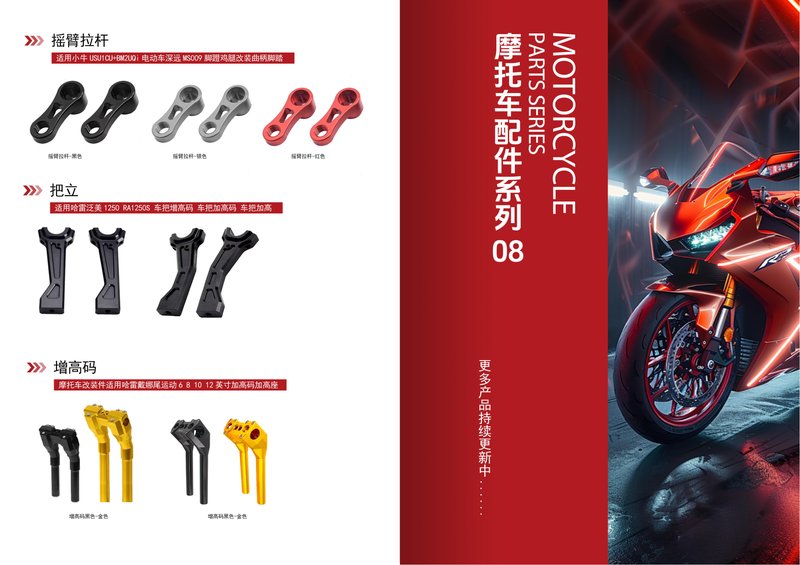
Aluminum is ideal for structural brackets, housings, engine covers, handlebar clamps, and other motorcycle components where weight reduction matters. It also anodizes beautifully, giving precision CNC parts a durable, colored finish without adding meaningful mass.
Machining considerations
Aluminum's low melting point and softness mean you can run aggressive parameters—but it also galls and welds to cutters if coolant and tool geometry aren't dialed in. For thin walls, vibration damping and fixture rigidity become critical. Still, for most buyers, aluminum delivers the lowest cost per part.
Copper CNC Machining: Conductivity and Durability at a Cost
Copper (C110, C101, tellurium copper C14500) is chosen when electrical or thermal performance is non-negotiable. Busbars, connectors, heat sinks, electrodes, and high-current contacts often demand copper despite the machining challenges.
Key properties
- Density: ~8.9 g/cm³ — over three times heavier than aluminum
- Electrical conductivity: ~100% IACS; thermal conductivity roughly twice that of aluminum
- Machinability: fair to good, depending on alloy; gummy and prone to built-up edge
- Corrosion resistance: good, though it tarnishes and develops patina over time
Best applications
Copper suits electrical contacts, RF shielding, thermal management components, and wear parts requiring high conductivity or self-lubricating properties (e.g., brass/bronze variants). In motorcycle applications, copper and brass appear in electrical terminals, bushings, and carburetor components.
Machining considerations
Copper's ductility causes long, stringy chips that can wrap around tooling. Shops counter this with sharp, polished carbide tools, high rake angles, and generous coolant. Because copper work-hardens, light repeated passes are better than heavy cuts. Tolerances can be held tightly, but cycle times and tool wear run higher than aluminum—factors that directly affect quoted pricing.
Copper vs Aluminum: Side-by-Side Comparison
| Factor | Aluminum | Copper |
|---|---|---|
| Weight | Light | Heavy |
| Machinability | Excellent | Fair |
| Electrical conductivity | ~60% IACS | ~100% IACS |
| Cost per kg | Lower | Higher |
| Tool wear | Low | Higher |
| Typical lead time | Faster | Slightly longer |
How We Approach Material Selection for Precision CNC Parts
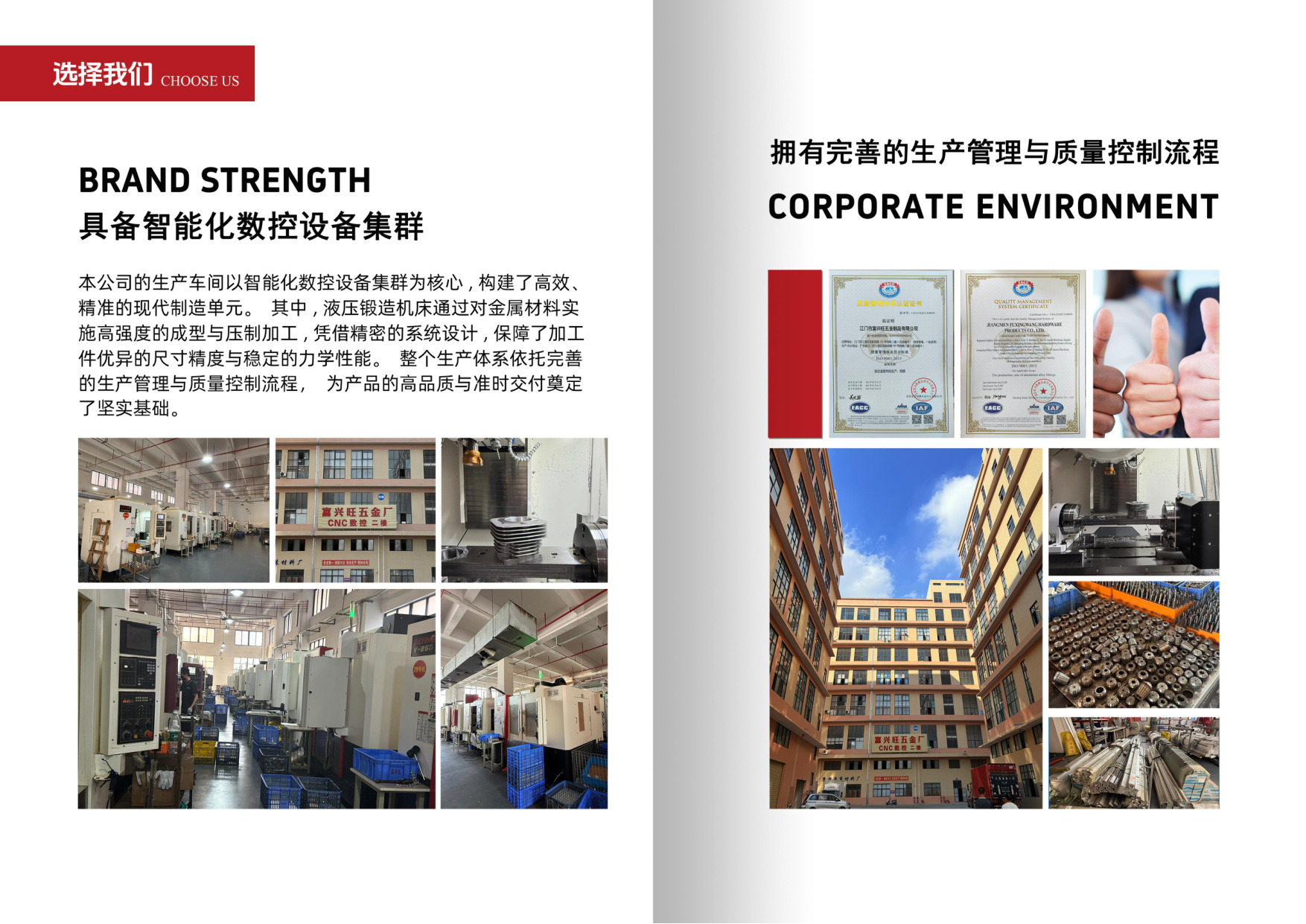
At our 2,000 m² facility with 100+ CNC machines, we run both materials across turning, milling, and multi-axis platforms. Our engineers review your drawing and application before quoting. If weight is the priority, we recommend 6061 or 7075 aluminum. If conductivity, wear resistance, or thermal performance drives the design, we specify copper or a copper alloy and adjust tooling and parameters accordingly.
For buyers sourcing custom CNC machining China, this matters: a supplier who treats copper like aluminum will burn through tools, miss tolerances, and inflate your costs. Material-specific process planning is what separates a reliable partner from a quote-chasing shop.
Choosing the Right Material for Your Project
Ask three questions:
- Does the part carry current or heat? If yes, copper often wins despite the cost.
- Is weight critical? For motorcycle and automotive components, aluminum usually wins.
- What's the production volume? High-volume aluminum parts benefit most from optimized cycle times; low-volume copper parts may justify the premium.
When in doubt, send us both the drawing and the application details. We'll advise on material, finish, and tolerance stack-up before a single chip is cut.
Get a Free Quote from Fuxingwang Hardware
Fuxingwang Hardware Products Co., Ltd. (Jiangmen Fuxingwang Hardware) has manufactured motorcycle parts and custom CNC components since 2012. With 100+ CNC machines and a 2,000 m² factory, we deliver precision CNC parts in copper, aluminum, steel, and engineering plastics—backed by in-house QC and fast lead times.
Ready to start? Send your drawings (STEP, IGES, PDF, or DWG) and target quantities to our team. We'll review manufacturability and return a detailed, no-obligation quote—usually within 24–48 hours. Whether you need a single prototype or a production run of thousands, we're ready to machine it right.