Copper vs Aluminum CNC Machining: What Buyers Need to Know Before Ordering
Material choice is one of the first decisions that shapes the cost, performance, and lead time of any machined component. At Fuxingwang Hardware Products Co., Ltd. (Jiangmen Fuxingwang Hardware), a custom CNC machining China supplier founded in 2012, we machine both copper and aluminum every week for motorcycle parts manufacturer clients and industrial OEMs. This guide compares the two metals from a practical shop-floor perspective so you can specify the right one for your next project.
Machinability: How Copper and Aluminum Behave on the CNC Floor
Aluminum alloys such as 6061-T6 and 7075 are the benchmark for easy CNC machining. They cut fast, produce clean chips, and tolerate aggressive feeds and speeds. Most aluminum parts need no coolant during roughing, and tool wear is minimal, which keeps cycle times short and unit costs low.
Copper is softer and far more ductile. Pure copper (C110) tends to smear rather than shear, creating built-up edge on tools, gummy chips, and a higher risk of poor surface finish. Machinists compensate with sharper tooling, higher rake angles, generous coolant flow, and lighter depths of cut. Tellurium copper (C145) and brass (C360) machine much more freely and are often the better choice when electrical conductivity is not the only requirement.
Key machining differences at a glance
- Cutting speed: Aluminum allows 3-5x higher surface speeds than pure copper.
- Tool life: Copper accelerates wear on high-speed steel; carbide tooling is strongly recommended.
- Tolerances: Both metals hold tight tolerances well on modern equipment. Our 100+ CNC machines include turning and milling centers that routinely hold ±0.01 mm on either material.
- Surface finish: Aluminum finishes easily; copper may require extra finishing passes or secondary polishing.
Cost Comparison: Where the Money Goes
Raw material and machining time dominate the price of precision CNC parts. Aluminum is cheaper per kilogram and machines faster, so an aluminum bracket might cost 40-60% less than the same part in copper. Copper's higher density also means heavier chips and more material waste by weight. For high-volume runs, these differences compound quickly.
That said, cost should follow function. If the part must conduct electricity or dissipate heat, paying more for copper is usually cheaper than redesigning around aluminum later.
Performance Properties That Drive Material Selection
Electrical and thermal conductivity
Copper wins decisively. C110 copper offers roughly 100% IACS conductivity versus about 60% for 6061 aluminum. For busbars, terminals, heat sinks, and RF components, copper is often the only viable option. Aluminum remains popular for heat sinks where weight matters more than peak conductivity.
Weight and strength
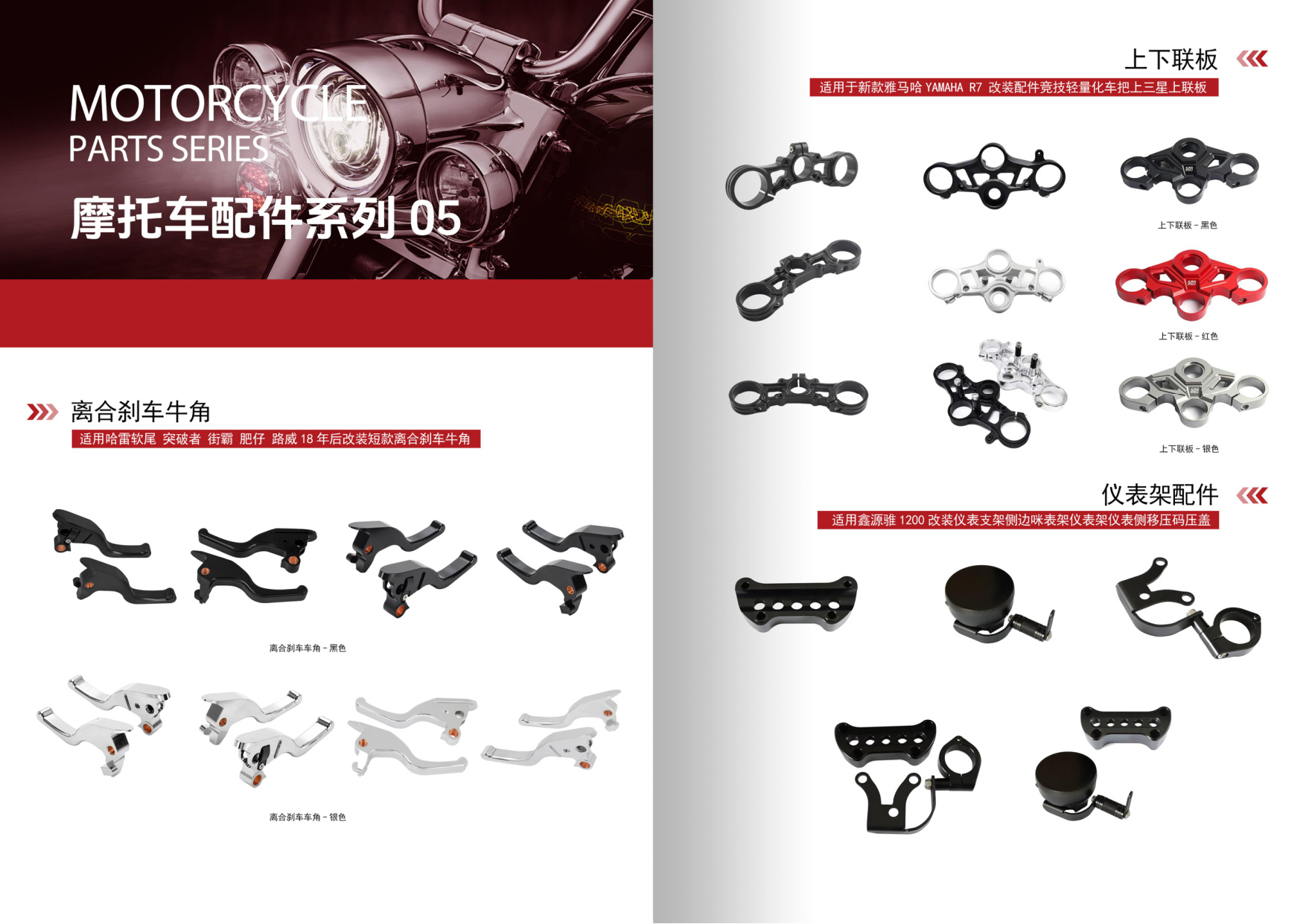
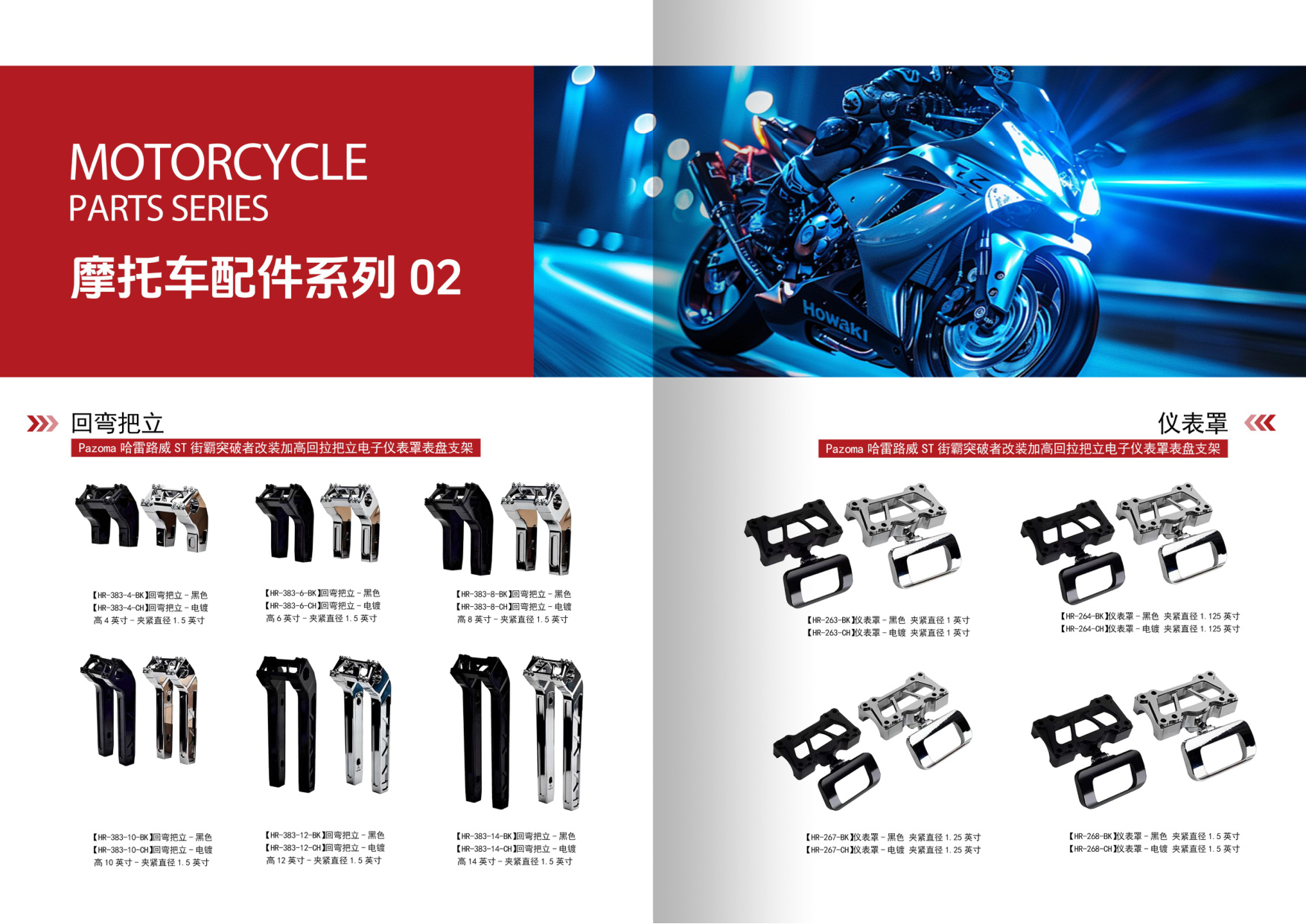
Aluminum is about one-third the density of copper, making it the default for weight-sensitive motorcycle parts such as triple clamps, engine covers, and custom brackets. Copper's strength is moderate in pure form but improves in alloys like beryllium copper, which is used for springs and wear-resistant contacts.
Corrosion and operating environment
Aluminum forms a protective oxide layer and anodizes beautifully, which suits visible motorcycle components. Copper patinates outdoors and is usually plated (nickel, tin, or chrome) when exposed. In sealed electrical assemblies, bare copper is standard.
Typical Applications We Machine
- Aluminum: motorcycle triple clamps, footpegs, sprocket covers, enclosures, mounting plates, prototype housings.
- Copper: electrical terminals, busbars, heat spreaders, RF shielding, welding fixtures, high-current connectors.
As a motorcycle parts manufacturer with deep experience in both materials, we often advise clients to prototype in aluminum for fit checks, then switch to copper only where electrical or thermal performance demands it.
How to Choose: A Quick Decision Framework
- Does the part carry current or move heat? Choose copper.
- Is weight or anodized appearance critical? Choose aluminum.
- Is the budget tight and the function structural? Aluminum almost always wins.
- Do you need the best of both? Consider copper inserts in aluminum housings, or aluminum with copper plating.
Why Buyers Choose Fuxingwang for Copper and Aluminum Work
Since 2012, our 2,000 m² facility in Jiangmen has grown to more than 100 CNC machines, supported by in-house programming, QC inspection, and surface finishing coordination. We machine copper and aluminum to drawing, handle both prototype and production volumes, and ship worldwide. Whether you need a single precision CNC parts batch for validation or recurring custom CNC machining China production, our team can quote quickly and flag material risks before chips fly.
Get a Free Quote on Your Copper or Aluminum Part
Send us your 2D drawings or 3D models (STEP, IGES, or PDF) along with material, tolerance, and quantity requirements. Our engineers will review manufacturability and return a detailed quotation, typically within 24-48 hours. Email Fuxingwang Hardware Products Co., Ltd. today and let us turn your design into a precision-machined part.