Copper vs Aluminum CNC Machining: Key Differences Every Buyer Should Know
When sourcing precision CNC parts, material selection is one of the most consequential decisions you'll make. Copper and aluminum are two of the most common metals in CNC machining, but they behave very differently under the tool. Choosing the wrong one can affect part performance, lead times, and total cost. This guide breaks down the practical differences so you can specify the right material with confidence.
Material Properties at a Glance
Before diving into machinability, it helps to understand the fundamental properties that drive machining behavior.
Copper: The Conductivity Champion
Copper offers excellent electrical and thermal conductivity—roughly 60% of the international annealed copper standard (IACS) for pure copper, and even higher for alloys like tellurium copper. It also resists corrosion well and is naturally antimicrobial. However, pure copper is soft and gummy, which makes it prone to built-up edge during cutting. Free-machining copper alloys (such as C14500 tellurium copper) are often specified to improve chip control and surface finish.
Aluminum: The Lightweight Workhorse
Aluminum is about one-third the density of copper, making it ideal for weight-sensitive applications. It offers good strength-to-weight ratio, excellent corrosion resistance, and is highly machinable. Common grades like 6061-T6 and 7075-T6 are staples in CNC machining because they cut cleanly at high speeds and hold tight tolerances. The trade-off: aluminum's electrical conductivity is only about 60% that of copper, and its thermal conductivity is lower as well.
Machinability and Tooling Considerations
Machinability directly impacts cycle time, tool wear, and surface finish—three factors that shape the cost of your precision CNC parts.
Aluminum: Fast and Forgiving
Aluminum is generally easier to machine. It allows high spindle speeds and feed rates, produces well-broken chips, and requires less rigid fixturing. For high-volume runs or complex geometries, aluminum often delivers lower cost per part. It also anodizes beautifully, which is a plus for visible components.
Copper: Requires Experience
Copper's ductility can cause long, stringy chips that tangle around tools and slow production. It also work-hardens quickly, so operators must maintain constant feed to avoid rubbing. That said, experienced shops use sharp, polished tooling, high-pressure coolant, and optimized toolpaths to machine copper successfully. At a motorcycle parts manufacturer like Fuxingwang, we routinely machine copper alloys for electrical connectors and heat sinks, applying the right parameters to achieve fine finishes.
Cost Comparison: Raw Material and Processing
Material cost fluctuates with market prices, but as a rule, copper is significantly more expensive per kilogram than aluminum. Processing costs also differ: aluminum's higher cutting speeds usually translate to shorter cycle times, while copper may require slower feeds and more frequent tool changes. For budget-sensitive projects, aluminum is often the economical choice. However, when conductivity or thermal management is critical, copper's performance advantages can justify the higher price.
Typical Applications for Each Metal
Knowing where each material shines helps narrow down your selection.
When to Choose Copper
- Electrical connectors, busbars, and terminals
- Heat sinks and thermal management components
- RF shielding and waveguides
- Marine and plumbing fittings requiring corrosion resistance
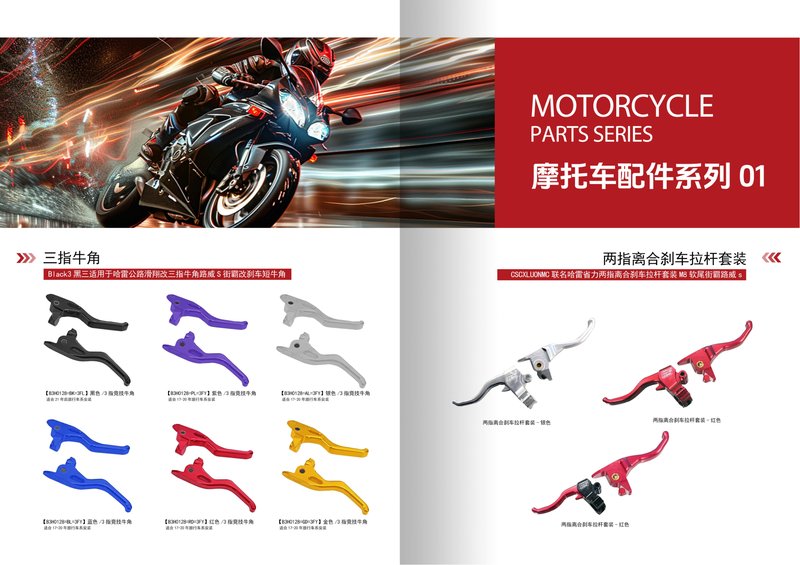
- Custom motorcycle parts such as high-current electrical contacts
When to Choose Aluminum
- Structural brackets and housings
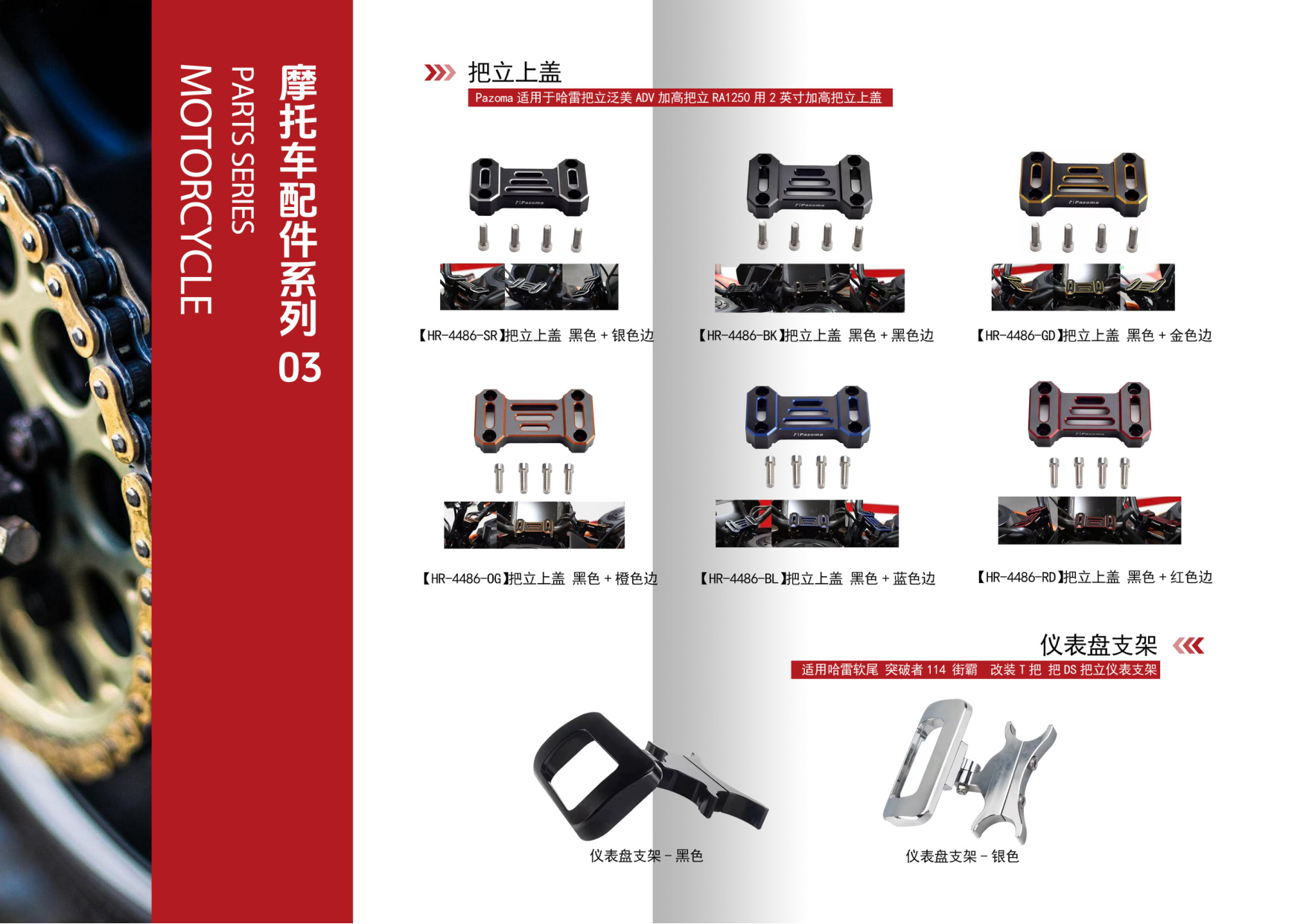
- Motorcycle components where weight reduction matters (e.g., triple clamps, engine covers)
- Enclosures and panels for electronics
- Prototypes and low-volume production runs
- Parts requiring anodized finishes
Design and Tolerance Considerations
Both metals can be machined to tight tolerances, but copper's thermal expansion coefficient is higher than aluminum's. In precision applications with large temperature swings, this can affect fit. Also, copper's gumminess may limit achievable surface finishes without additional polishing. For most custom CNC machining China projects, aluminum holds tolerances of ±0.01 mm routinely, while copper may require slightly more generous tolerances or additional inspection steps.
Choosing the Right Material for Your Project
Start by defining your functional requirements: Does the part carry current? Does it need to dissipate heat? Is weight a concern? What is the operating environment? Once those are clear, weigh the cost implications. If you're unsure, your manufacturing partner can recommend alloys and machining strategies that balance performance and cost.
At Fuxingwang Hardware Products Co., Ltd. (Jiangmen Fuxingwang Hardware), we've been machining copper, aluminum, and other metals since 2012. Our 2,000-square-meter factory houses over 100 CNC machines, and our team specializes in precision CNC parts for the motorcycle industry and beyond. Whether you need a few prototypes or full production, we help you select the right material and process.
Get a Free Quote for Your CNC Project
Ready to move from design to production? Send us your drawings and requirements, and we'll provide a free, no-obligation quote—including material recommendations and lead time estimates. Our engineers will review your files and suggest the most cost-effective approach for your custom CNC machining needs. Contact Fuxingwang today to get started.