Introduction: Choosing the Right CNC Process for Your Project
When sourcing precision CNC parts, one of the first decisions is whether a CNC lathe or a machining center is the right fit. Both are subtractive manufacturing methods, but they differ in motion, tooling, and the geometries they produce. For buyers of motorcycle parts and other high-tolerance components, understanding these differences can reduce cost, lead time, and rework. At Fuxingwang Hardware Products Co., Ltd. (Jiangmen Fuxingwang Hardware), founded in 2012, we run a 2,000 sqm factory with 100+ CNC machines, so we see these trade-offs daily. This article breaks down CNC lathe vs machining center in practical terms and helps you specify the right process for your drawings.
What Is a CNC Lathe?
A CNC lathe rotates the workpiece against a stationary cutting tool. This turning operation is ideal for cylindrical and axial parts. The machine spins the material at high speed while the tool moves linearly to remove material, producing diameters, tapers, grooves, and threads with excellent concentricity.
Typical Capabilities of CNC Lathes
- Turning, facing, boring, drilling, and threading on round parts
- High repeatability for shafts, bushings, spacers, and hydraulic fittings
- Live tooling versions add milling and cross-drilling for one-hit completion
- Bar feeders enable lights-out production of small precision CNC parts
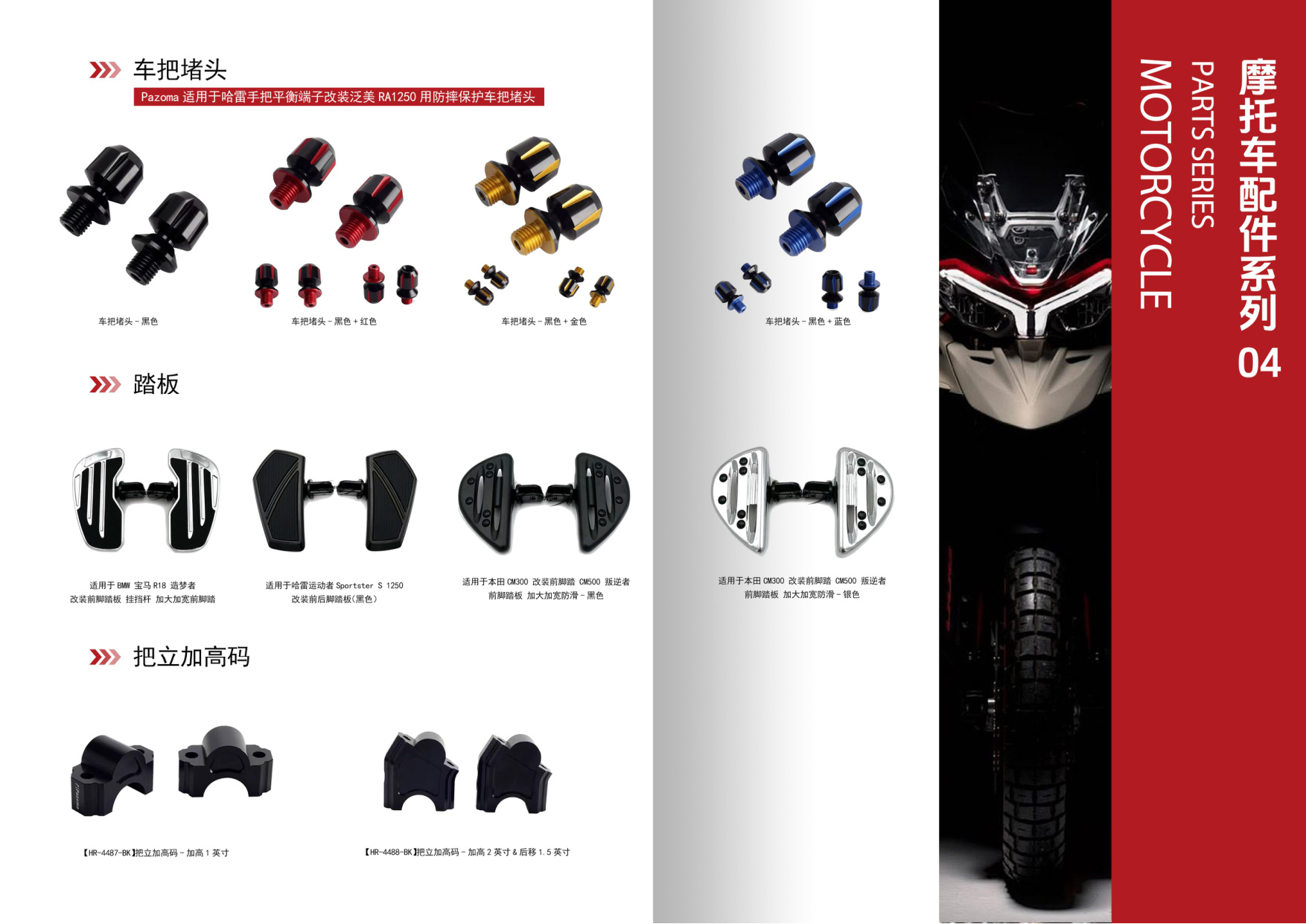
In motorcycle manufacturing, CNC lathes are the workhorse for axles, wheel spacers, suspension pins, and engine studs. If your part is primarily round and symmetrical, a lathe is usually the fastest and most economical route.
What Is a Machining Center?
A CNC machining center holds the workpiece stationary while a rotating spindle moves in multiple axes. Vertical machining centers (VMCs) and horizontal machining centers (HMCs) use rotating tools to perform milling, drilling, tapping, and boring. This makes them ideal for prismatic parts with pockets, slots, faces, and complex contours.
Typical Capabilities of Machining Centers
- 3-axis, 4-axis, and 5-axis simultaneous milling
- Production of flat, angular, and contoured features
- High material removal rates with indexable tooling
- Excellent for plates, brackets, housings, and engine covers
A machining center is the better choice when your precision CNC parts are not round or require multiple faces machined in one setup. Five-axis machines can reach undercuts and compound angles that would otherwise need multiple fixtures.
CNC Lathe vs Machining Center: Core Differences
1. Workpiece Motion and Geometry
The lathe spins the part; the machining center spins the tool. This single difference dictates the part families each machine serves. Round parts favor lathes; blocky or asymmetric parts favor machining centers.
2. Tolerances and Surface Finish
Both processes achieve tight tolerances, but turning naturally produces superior roundness and concentricity. Milling excels at flatness and positional accuracy across multiple features. For many motorcycle parts, a turned blank may then go to a machining center for cross-drilling and slotting.
3. Setup and Fixturing
Lathes use chucks, collets, and bar feeders for quick, repeatable workholding. Machining centers rely on vises, tombstones, and custom fixtures, which can add setup time on low-volume jobs. This affects cost per part, especially for prototypes.
4. Cycle Time and Cost
For cylindrical parts, turning is often faster and cheaper per unit. For prismatic parts, milling is the only practical option. Choosing the wrong process can double machining time and tool wear. That is why we review every drawing before quoting to recommend the optimal method.
5. When to Combine Both
Turn-mill machines and mill-turn centers blur the line. They let us complete complex custom CNC machining China projects in one setup, improving accuracy and shortening lead time. For high-mix, low-volume motorcycle components, this flexibility is a major advantage.
How to Decide for Your Precision CNC Parts
Ask these questions before you request a quote:
- Is the dominant geometry cylindrical or prismatic?
- Which features carry the tightest tolerances?
- What is the annual volume and batch size?
- Are there undercuts or compound angles requiring 5-axis?
- What surface finish and material are specified?
As an experienced motorcycle parts manufacturer, we often see buyers over-specify 5-axis machining when a lathe with live tooling would deliver the same result at lower cost. Conversely, forcing a round part onto a machining center can waste material and time. A short technical review with your supplier prevents both mistakes.
Why Fuxingwang Hardware Products Co., Ltd.
Founded in 2012, Jiangmen Fuxingwang Hardware operates a 2,000 sqm facility with more than 100 CNC machines, including lathes, VMCs, and multi-axis machining centers. We specialize in motorcycle parts and custom CNC machining China for global buyers. Our in-house team handles turning, milling, drilling, tapping, and surface treatment, with inspection at every stage. Whether your project calls for a CNC lathe, a machining center, or a combination, we match the process to your drawing, volume, and budget.
Conclusion and Call to Action
CNC lathes and machining centers are complementary, not competing, technologies. The right choice depends on part geometry, tolerance, and volume. If you are unsure which process suits your precision CNC parts, our engineers can help. Send us your drawings or 3D models today for a free, no-obligation quote and a recommended machining plan. Email Fuxingwang Hardware Products Co., Ltd. now and let our 100+ CNC machines deliver your next batch on time and on spec.