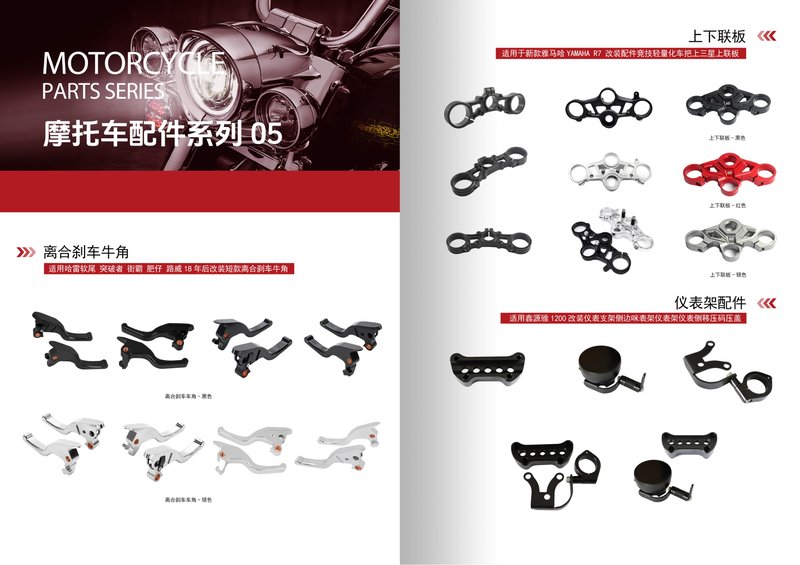
When buyers send drawings for precision CNC parts, one of the first questions our engineers answer is deceptively simple: should this part run on a CNC lathe or a machining center? The answer shapes tooling costs, cycle times, tolerances and, ultimately, your unit price. At Fuxingwang Hardware Products Co., Ltd. (Jiangmen Fuxingwang Hardware), a motorcycle parts manufacturer and custom CNC machining China supplier founded in 2012, we run both machine types across our 2,000 m² factory and more than 100 CNC machines. Here is how we decide, and how you can use the same logic when sourcing.
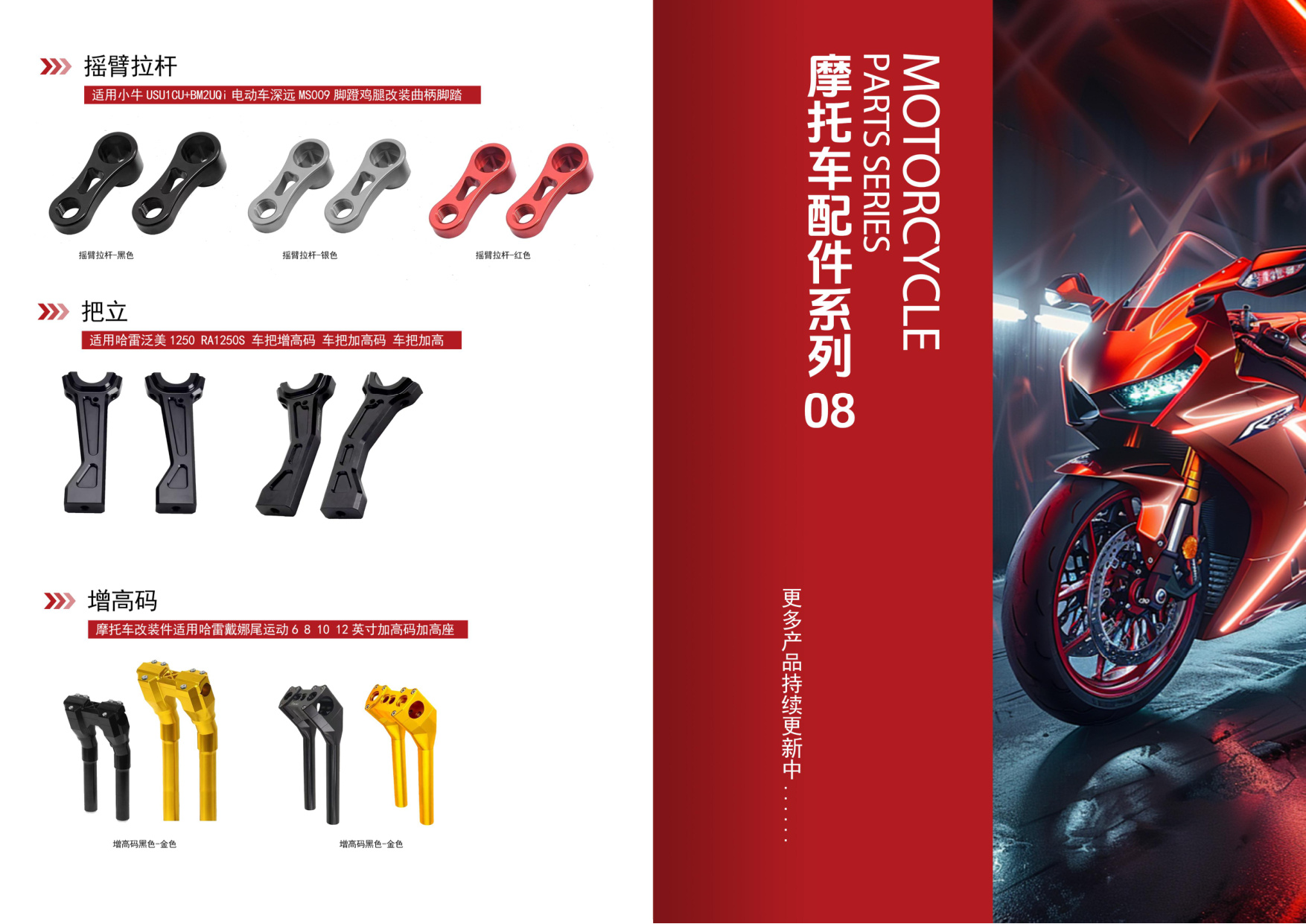
The Core Difference: Rotating Workpiece vs. Rotating Tool
A CNC lathe spins the workpiece while a single-point tool moves along it. The result is a rotationally symmetric part: shafts, bushings, axles, spacers, brake components and thousands of other turned parts. A machining center holds the workpiece still and rotates the cutting tool, enabling milling, drilling, tapping and boring on prismatic or complex parts such as brackets, covers, housings and engine cases.
That single mechanical difference drives almost every downstream decision in CNC machining.
When a CNC Lathe Is the Right Choice
Rotationally symmetric geometry
If the drawing shows a part that is largely round — a rear axle for a motorcycle, a shock absorber component or a custom fastener — turning is faster and cheaper than milling. Material removal happens continuously, and round stock is inexpensive.
Tight diameter and concentricity tolerances
Lathes hold diameter tolerances very well and keep multiple diameters concentric in one setup. For bearing journals or sealing surfaces, this is often the most reliable route to precision CNC parts.
High-volume production
Bar-fed lathes with live tooling can turn, mill flats, drill cross-holes and part off in a single cycle. For repeat orders, cycle times drop sharply and per-piece cost follows.
When a Machining Center Wins
Prismatic and asymmetric parts
Brackets, mounting plates, covers and housings rarely have a single axis of symmetry. Three-axis and four-axis machining centers reach features on multiple faces, and five-axis machines handle compound angles in one setup.
Complex features in one setup
Pockets, slots, threaded holes and contoured surfaces are milling operations by nature. Consolidating them into one setup reduces fixturing error — critical when a part must mate with several others, as motorcycle assemblies often do.
Prototype and low-volume work
Without the need for custom bar stock or special turning tools, machining centers let us quote small batches economically, which suits development projects and aftermarket runs.
The Hybrid Answer: Turn-Mill and Mill-Turn Machines
Modern machine tools blur the line. A turn-mill center performs turning and milling in one program, and a mill-turn center does the reverse. For parts with both round and prismatic features — a common pattern in motorcycle components — the hybrid route eliminates a second operation, reduces handling and improves positional accuracy between turned and milled features.
Our practical rule at Fuxingwang: if more than 70% of the material removal is rotational, start on a lathe and add live-tool features. If it is not, start on a machining center.
Cost, Lead Time and Tolerance: What Actually Changes
Setup and tooling
Lathes need less dedicated fixturing for round parts. Machining centers often need soft jaws or custom fixtures, which adds engineering time to the first order but pays back over volume.
Cycle time
For round parts, turning removes material far faster than milling the same shape from a block. Choosing the wrong process can double cycle time and material cost.
Tolerance stack-up
Every additional setup adds error. The best process is the one that completes the critical features in as few setups as possible.
How We Match Process to Part
As an experienced motorcycle parts manufacturer, we review every drawing against four questions: Is the part primarily rotational? Which features are critical to function? What is the annual volume? And what tolerance does the mating assembly truly require? From there we select lathe, machining center or hybrid equipment and confirm the route in the quote.
Because we operate more than 100 CNC machines in one 2,000 m² facility, we are not forced to fit your part to limited capacity. We choose the process that serves the part.
Send Your Drawings for a Free Quote
Whether your design is a turned axle or a milled engine cover, the fastest way to a reliable price is to send us the drawing. Jiangmen Fuxingwang Hardware offers custom CNC machining China-based buyers trust for responsive engineering feedback, honest process recommendations and consistent quality on precision CNC parts and motorcycle components.
Email your 2D drawings or 3D models (STEP, IGES, PDF) with material, quantity and tolerance requirements, and our team will return a free quotation and a recommended machining route — usually within one business day. Let us show you which machine your part belongs on.