Why Build-to-Print Projects Go Wrong (And How to Get Them Right)
Build-to-print machining sounds straightforward: the customer supplies a drawing, the shop machines the part to match. In practice, even experienced buyers run into delays, cost overruns, and rejected parts. At Fuxingwang Hardware Products Co., Ltd. (Jiangmen Fuxingwang Hardware), a motorcycle parts manufacturer and custom CNC machining supplier founded in 2012, we have seen these problems from both sides of the table. This article covers the most common pitfalls in build-to-print CNC machining and the practical steps that prevent them.
Pitfall 1: Drawings That Are Incomplete or Ambiguous
The drawing is the contract. When it is missing tolerances, surface finish callouts, material specifications, or thread standards, the shop has to guess — and guesses cost money.
How to avoid it
- Include a title block with material grade, general tolerances, and revision number.
- Call out critical dimensions explicitly rather than relying on default tolerances.
- Specify surface finish (Ra) where it matters, such as sealing faces or bearing seats.
- State the applicable standard (ISO, DIN, ANSI, JIS) for threads and fits.
A good supplier will flag ambiguities before quoting. If your custom CNC machining China partner quotes without asking a single question, treat that as a warning sign.
Pitfall 2: Ignoring Design for Manufacturing (DFM)
Many build-to-print parts are designed with function in mind but not manufacturability. Deep pockets with sharp internal corners, walls that are too thin, or features that require five setups all drive up cost and risk.
How to avoid it
- Ask for a DFM review before the quote is finalized, not after the first article fails.
- Use corner radii that match standard end mill sizes.
- Keep wall thickness consistent and avoid features that need long, slender tools.
- Consolidate features so the part can be machined in fewer setups.
For precision CNC parts, a short DFM conversation often removes 10–20% of machining time without changing function.
Pitfall 3: Treating Tolerances as “Just Put ±0.01”
Over-tolerancing is as damaging as under-tolerancing. Tight tolerances on non-functional dimensions increase inspection time, scrap rate, and price. On the other hand, loose tolerances on mating features cause assembly failures.
How to avoid it
- Apply tight tolerances only to dimensions that affect fit, function, or safety.
- Use geometric dimensioning and tolerancing (GD&T) to control location and orientation precisely.
- Confirm the shop's measurement capability for each tolerance before release.
Pitfall 4: Skipping the First Article Inspection
Jumping straight from approved drawing to full production is one of the most expensive mistakes in build-to-print work. A first article inspection (FAI) validates the process, not just the part.
How to avoid it
- Require a full dimensional report with the first sample.
- Review material certificates and any required surface treatment reports.
- Approve the process, including fixtures and programs, before mass production begins.
Pitfall 5: Underestimating Material and Traceability Requirements
Material substitution is a silent failure mode. A shop may use a “similar” alloy that machines more easily but does not meet the specification. For motorcycle parts manufacturer work, where fatigue and safety matter, this is unacceptable.
How to avoid it
- Specify the exact grade and temper, and require mill certificates.
- Ask how the shop handles material traceability from incoming inspection to shipment.
- Clarify whether the price includes certificates or whether they are an add-on.
Pitfall 6: Poor Communication on Changes and Revisions
Build-to-print projects often involve engineering changes. If the drawing revision is not clearly controlled, the shop may machine to an outdated version.
How to avoid it
- Use a revision block and require written confirmation of the current revision before production.
- Agree on a change process that includes re-quoting and schedule impact.
- Keep a single point of contact on both sides.
Pitfall 7: Choosing a Supplier on Price Alone
The lowest quote often hides weak process control, limited inspection, or no engineering support. For precision CNC parts, the real cost includes rework, delays, and assembly downtime.
How to avoid it
- Visit or audit the factory, even virtually.
- Ask about machine count, inspection equipment, and quality certifications.
- Request references in your industry, especially for similar part families.
How Fuxingwang Hardware Prevents These Pitfalls
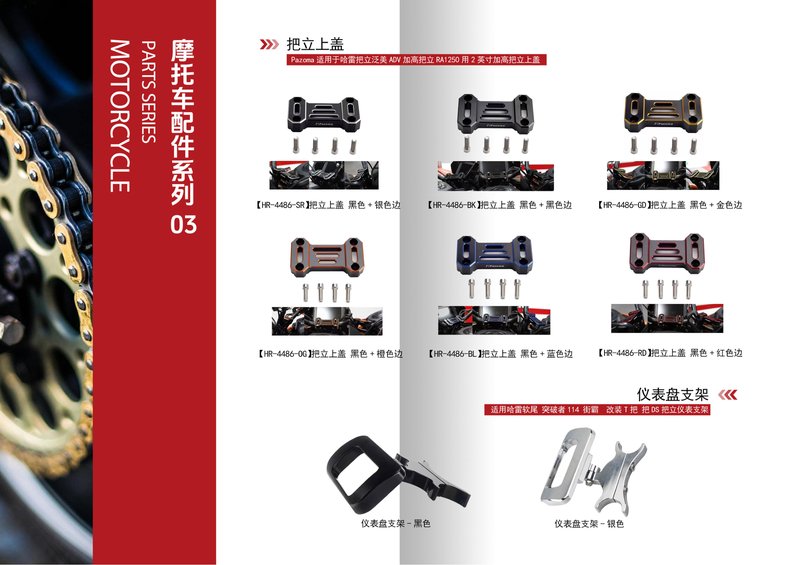
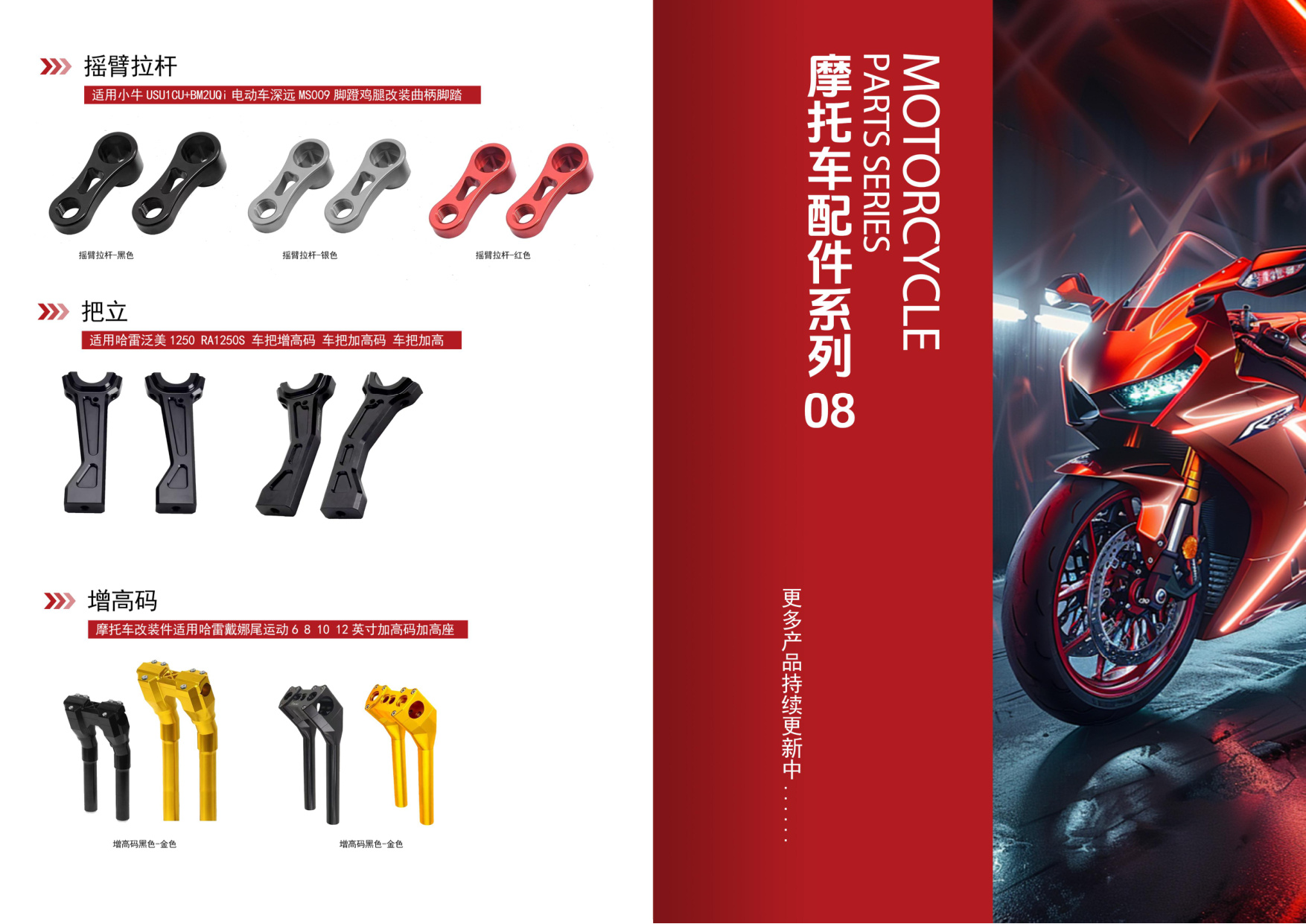
Fuxingwang Hardware Products Co., Ltd. was founded in 2012 and operates a 2,000 m² factory with more than 100 CNC machines in Jiangmen, Guangdong. Our team supports CNC machining projects from DFM review through first article inspection and production, with experience in motorcycle parts and custom machined components. We ask questions early, control drawing revisions, and provide dimensional reports so you know exactly what you are receiving.
Send Your Drawings for a Free Quote
If you have a build-to-print project and want a supplier that catches problems before they become costs, send your drawings and specifications to Fuxingwang Hardware. We will review manufacturability, confirm tolerances, and return a detailed quote — no obligation. Contact us today to discuss your custom CNC machining China requirements and get your free quote.