When you source aluminum components, the finish you choose affects everything from corrosion resistance to assembly fit. For buyers working with a custom CNC machining China supplier, two surface treatments dominate: anodizing and electroplating. Both change the surface of aluminum, but they do so in very different ways. This guide explains the practical differences so you can specify the right finish for your next project.
What Is Anodizing?
Anodizing is an electrochemical process that converts the aluminum surface into a hard, protective oxide layer. Unlike paint or plating, it does not sit on top of the metal—it grows from within. The part is immersed in an acid electrolyte and a current is applied, thickening the natural oxide film to 5–25 microns or more.
Key Benefits of Anodizing
- Corrosion resistance: The oxide layer seals the aluminum against moisture and salt, ideal for motorcycle parts manufacturer applications exposed to weather.
- Wear resistance: Type III hard anodizing reaches 60+ Rockwell C on the surface, protecting sliding or high-friction components.
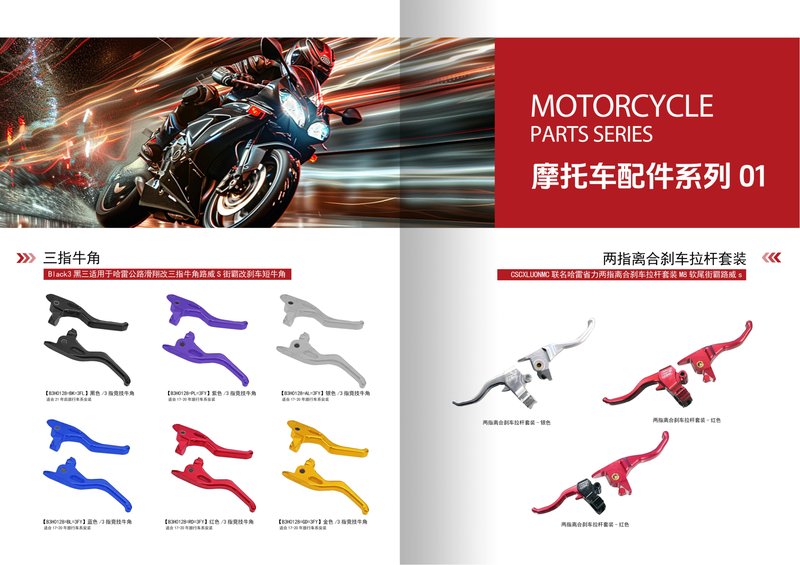
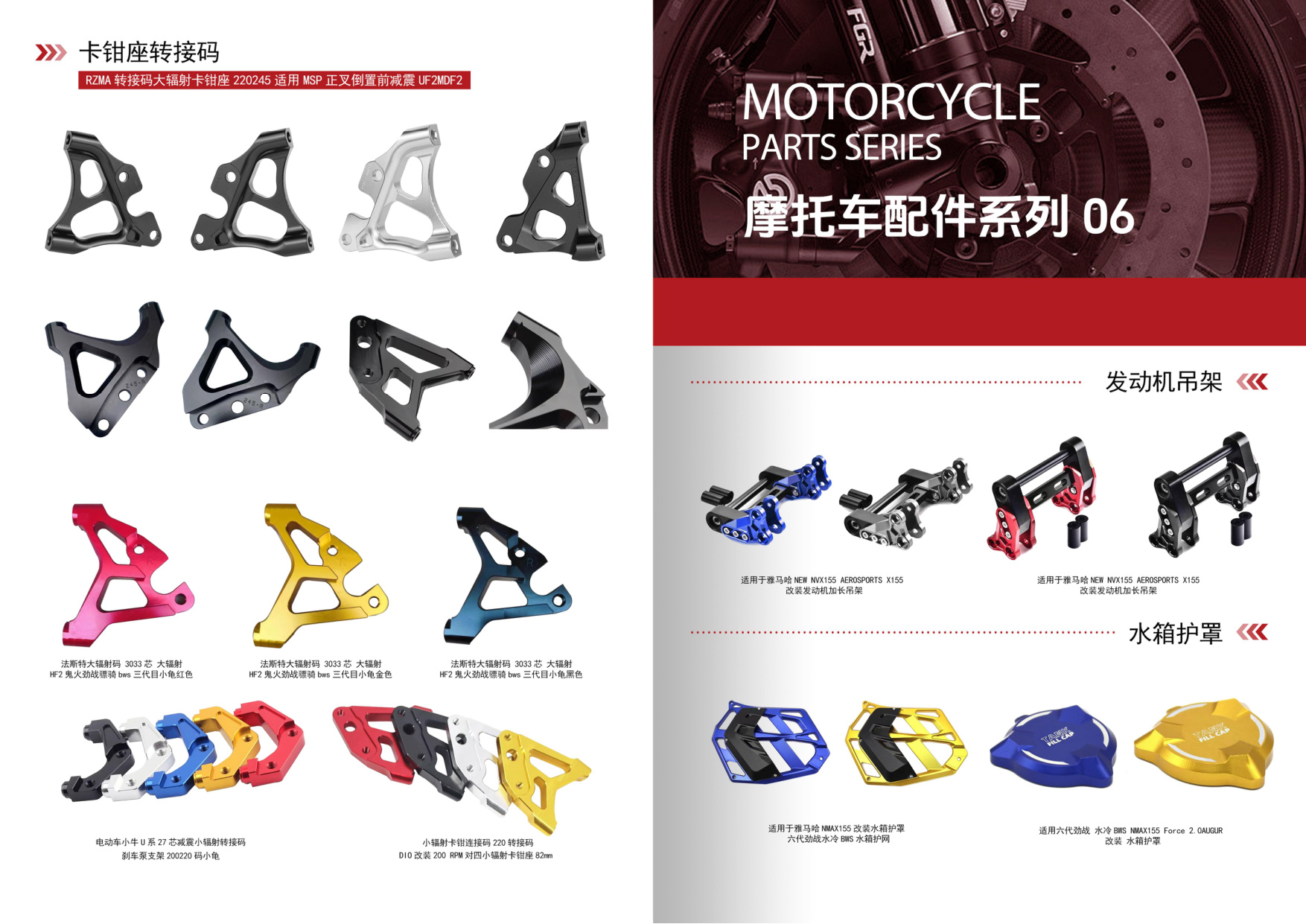
- Color options: Dyes can produce black, red, blue, gold, and custom shades while keeping a metallic look.
- No dimensional buildup: The oxide grows both inward and outward, so tight tolerances on precision CNC parts are easier to maintain.
Limitations of Anodizing
Only aluminum (and a few other reactive metals) can be anodized. Color matching across batches takes experience. Deep recesses may show uneven dye uptake if the part geometry is complex.
What Is Electroplating?
Electroplating uses electrical current to deposit a thin metal layer—nickel, chrome, zinc, or tin—onto the aluminum. Because aluminum naturally forms an oxide skin, it usually needs a zincate pre-treatment before plating so the coating bonds properly.
Key Benefits of Electroplating
- Decorative finish: Chrome plating gives a mirror-bright, premium look common on custom bike builds.
- Conductivity: Nickel and gold plating improve electrical contact, useful for electronic housings and connectors.
- Soldering and bonding: Plated surfaces accept solder and adhesives that raw aluminum rejects.
- Hardness options: Hard chrome plating resists abrasion on shafts, pins, and hydraulic parts.
Limitations of Electroplating
Plating adds a measurable thickness—often 5–25 microns—that can close threads or interfere with press fits. It is generally more expensive than anodizing, and the multi-step pre-treatment adds lead time. Plating baths also raise environmental compliance costs, which can affect pricing from any CNC machining supplier.
Anodizing vs Electroplating: Side-by-Side Comparison
| Factor | Anodizing | Electroplating |
|---|---|---|
| Base material | Aluminum only | Aluminum with zincate prep |
| Dimensional change | Minimal | Adds 5–25 microns |
| Corrosion resistance | Excellent | Good to excellent |
| Color range | Wide, metallic | Limited, bright |
| Typical cost | Lower | Higher |
| Best for | Wear, weather, tight tolerances | Decorative, conductive, solderable |
Which Finish Should You Specify?
Choose anodizing when the part faces weather, abrasion, or must hold tight tolerances. It is the default for handlebar clamps, footpegs, and brackets on motorcycle components. Choose electroplating when you need a bright chrome show finish, electrical conductivity, or a solderable surface.
For mixed assemblies, remember that anodized and plated parts can differ slightly in color and sheen. Send a sample or a Pantone reference if appearance is critical.
Why Work With an Experienced Manufacturer
At Fuxingwang Hardware Products Co., Ltd. (Jiangmen Fuxingwang Hardware), founded in 2012, we run a 2,000 m² factory with 100+ CNC machines. Our team supports both anodizing and electroplating through qualified finishing partners, so you get consistent results whether you order 50 or 50,000 pieces. As a motorcycle parts manufacturer and custom CNC machining China partner, we help engineers choose the right finish during DFM review—before production starts.
Get a Free Quote on Your Next Project
Ready to move from drawing to finished part? Send your 2D/3D drawings, material spec, and finish requirements to Fuxingwang Hardware. We will review manufacturability, recommend anodizing or plating, and return a free quote within 24 hours.
Email your drawings today for a free quote.