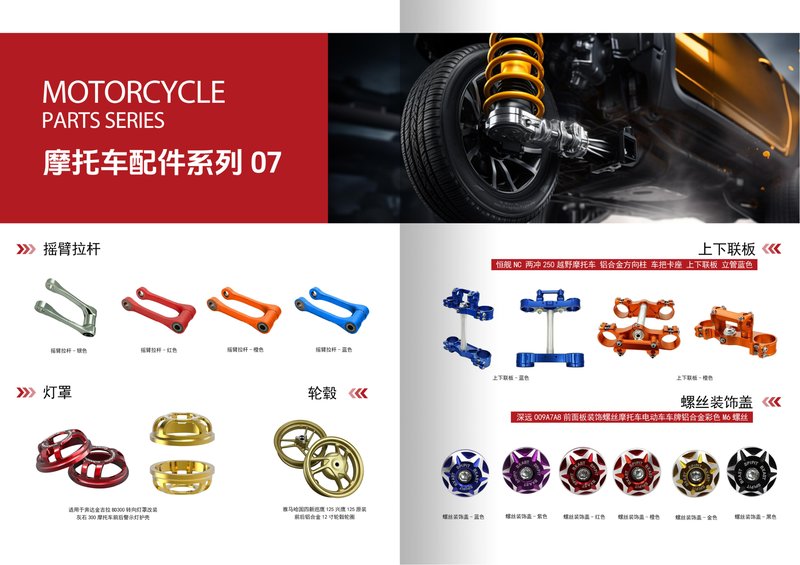
Why Aluminum CNC Machining Is the Backbone of Modern Manufacturing
Aluminum is one of the most machined materials in the world. Its high strength-to-weight ratio, excellent thermal conductivity, and natural corrosion resistance make it ideal for industries ranging from automotive and aerospace to electronics and consumer products. For any company searching for precision CNC parts, understanding the aluminum CNC machining process is the first step toward getting better quality, faster lead times, and lower costs. This guide walks through each stage of the process and explains how to evaluate a manufacturing partner.
Step 1: Aluminum Alloy Selection
The process begins long before a spindle turns. Choosing the right aluminum grade directly affects machinability, surface finish, and final part performance.
Common Aluminum Grades for CNC Machining
- 6061-T6: The workhorse alloy. Excellent machinability, weldability, and corrosion resistance. Used for structural brackets, housings, and prototype parts.
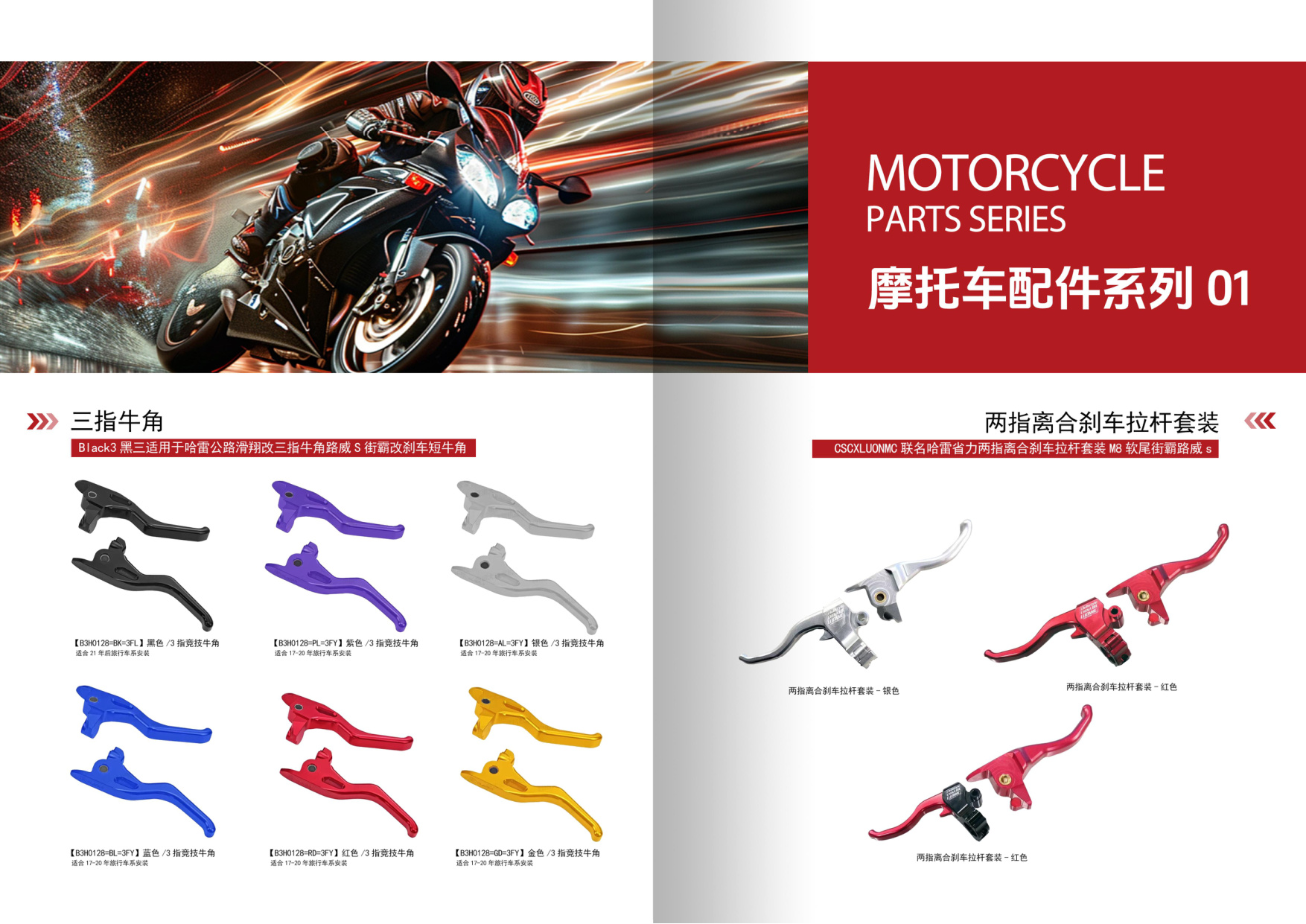
- 7075-T6: High strength, comparable to steel. Ideal for aerospace components and high-stress motorcycle parts such as triple clamps and suspension linkages.
- 2024: Good fatigue resistance, often used in aircraft structures.
- 5052: Excellent corrosion resistance and formability, common in marine and sheet-metal applications.
For most CNC machining projects, 6061 and 7075 cover the majority of needs. A skilled manufacturer will recommend the grade based on load, weight, and environmental exposure.
Step 2: CAD/CAM Programming and Toolpath Design
Once the alloy is selected, engineers convert 3D models (STEP, IGES, STL) into machine-ready programs. CAM software simulates the toolpath, checks for collisions, and optimizes feed rates and spindle speeds. This stage is where experienced programmers reduce cycle time without sacrificing tolerance. Poor programming leads to tool wear, chatter, and scrapped parts—so it is a critical differentiator between average and excellent suppliers.
Step 3: CNC Machining Operations
3-Axis, 4-Axis, and 5-Axis Machining
3-axis machines handle simple prisms and plates. 4-axis adds rotation for multi-face work. 5-axis simultaneous machining allows complex contours, undercuts, and organic shapes in a single setup. For intricate precision CNC parts such as engine covers or custom brackets, 5-axis capability reduces setups, improves accuracy, and shortens lead time.
Turning, Milling, and Drilling
CNC turning creates cylindrical parts like bushings, axles, and spacers. CNC milling produces flat and contoured surfaces, pockets, and slots. Drilling and tapping follow to add mounting holes and threads. High-speed spindles (12,000–24,000 RPM) with carbide tooling deliver the best finish on aluminum.
Tolerances and Surface Finish
Standard tolerances are ±0.05 mm, while precision work can reach ±0.01 mm or tighter. Surface roughness (Ra) typically ranges from 0.8 to 3.2 µm after machining. Anodizing, bead blasting, or polishing can further enhance appearance and durability.
Step 4: Quality Control and Inspection
Quality control is not a final step—it is integrated throughout production. First-article inspection (FAI) verifies the setup. In-process checks catch drift. Final inspection uses CMM (coordinate measuring machines), optical comparators, and surface testers. A responsible motorcycle parts manufacturer documents dimensional reports and material certificates for every batch.
Step 5: Surface Finishing and Assembly
After machining, parts may be deburred, anodized (Type II or Type III), powder coated, or laser engraved. Assembly services—pressing bearings, inserting helicoils, or installing hardware—add value and reduce your supplier count. Packaging must protect critical surfaces during shipping.
How to Choose a Custom CNC Machining China Partner
China remains a global hub for custom CNC machining China services, but not all suppliers are equal. Look for:
- In-house machining capacity (50+ machines indicates stability)
- Experience in your industry (motorcycle, automotive, industrial)
- Documented quality system (ISO 9001 or IATF 16949)
- Fast quoting and engineering feedback
- Clear communication and English-speaking support
Fuxingwang Hardware Products Co., Ltd. (Jiangmen Fuxingwang Hardware), founded in 2012, operates a 2,000 sqm factory with over 100 CNC machines. As an experienced motorcycle parts manufacturer and custom machining supplier, we serve clients worldwide with precision aluminum components, from prototypes to volume production.
Conclusion: From Drawing to Delivery
Aluminum CNC machining is a disciplined sequence of alloy selection, programming, machining, inspection, and finishing. Each step influences cost, quality, and lead time. Partnering with a factory that controls all stages in-house gives you consistent precision CNC parts and fewer surprises.
Ready to start your project? Send your 2D drawings or 3D models to Fuxingwang Hardware for a free quote and engineering review. Our team will respond within 24 hours with pricing, lead time, and manufacturability feedback. Email us today or visit our website to upload your files.